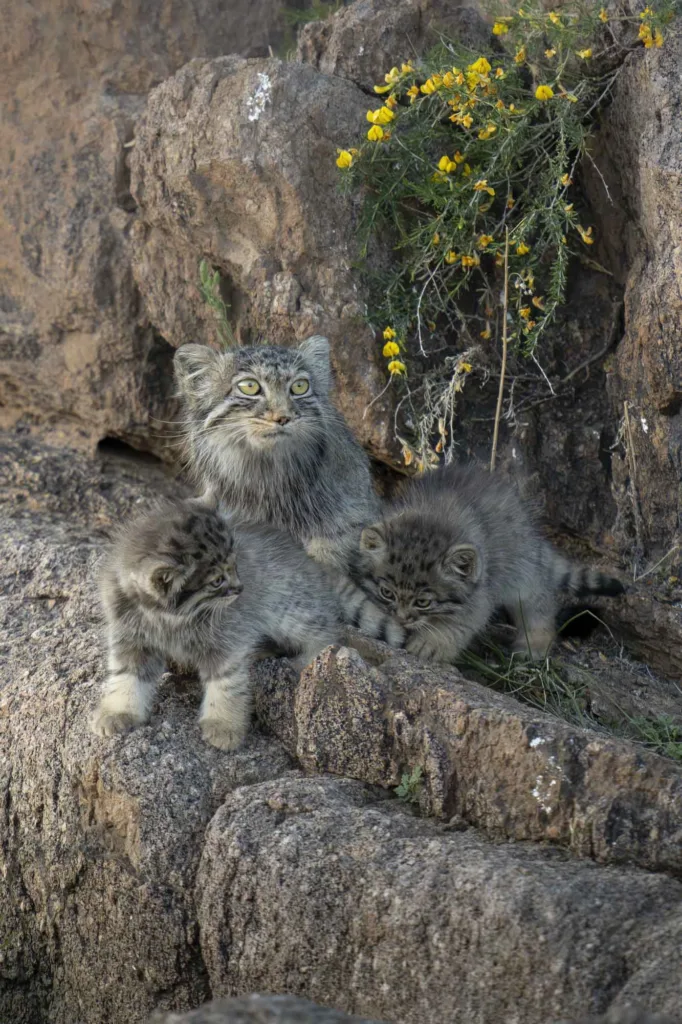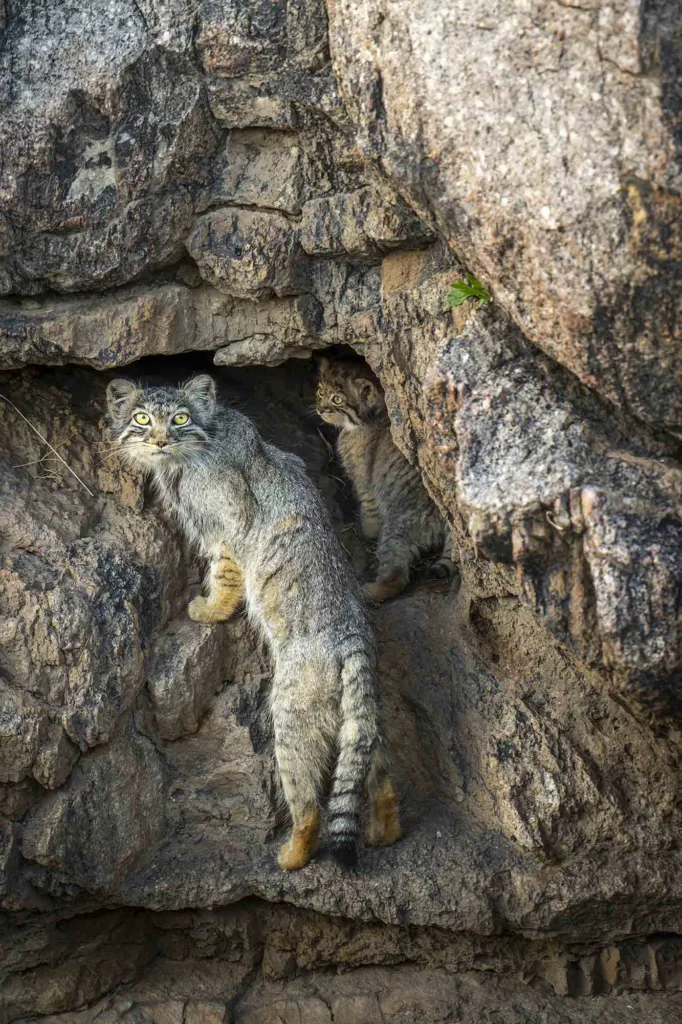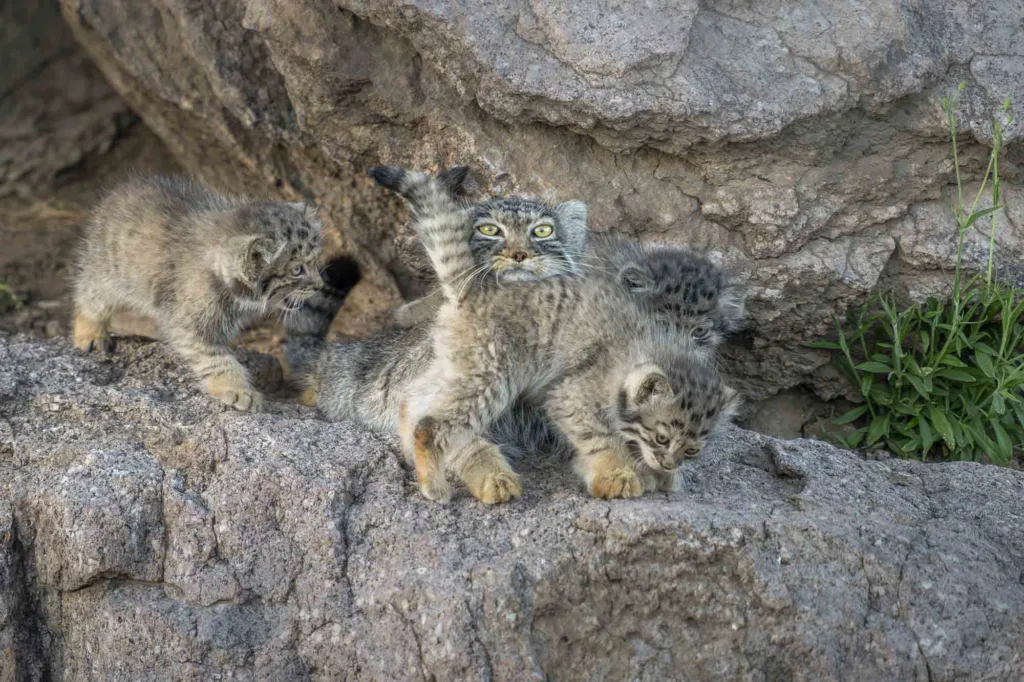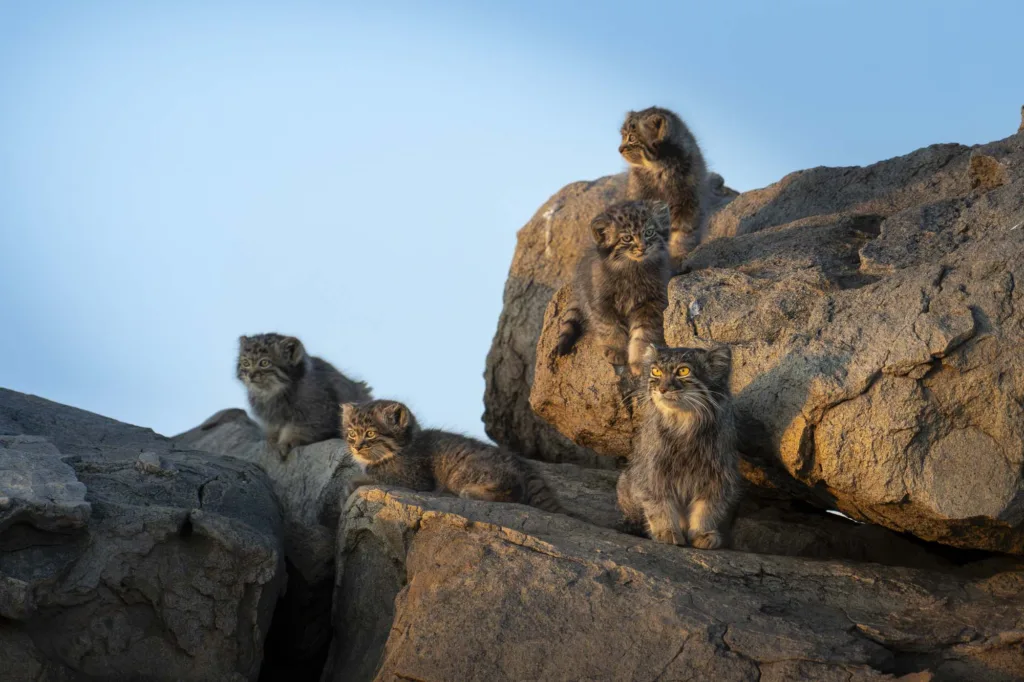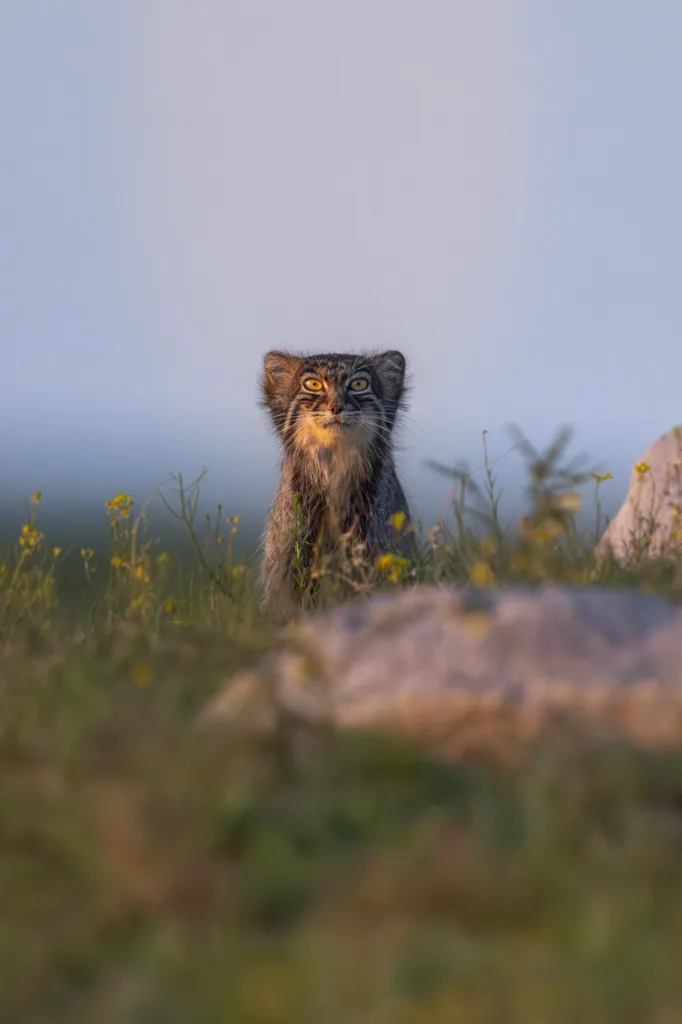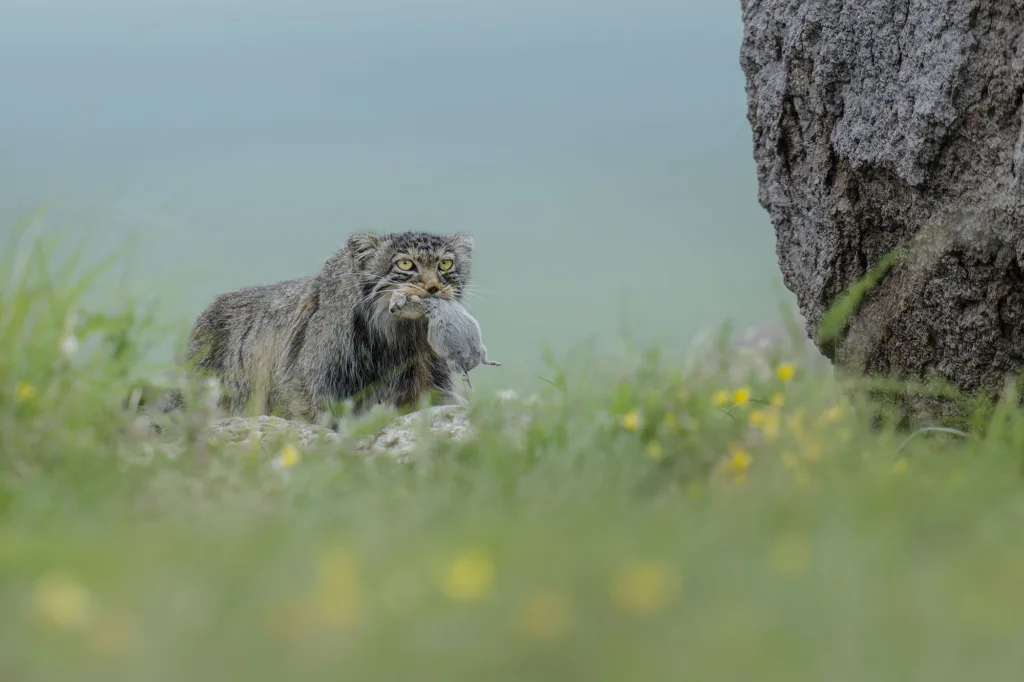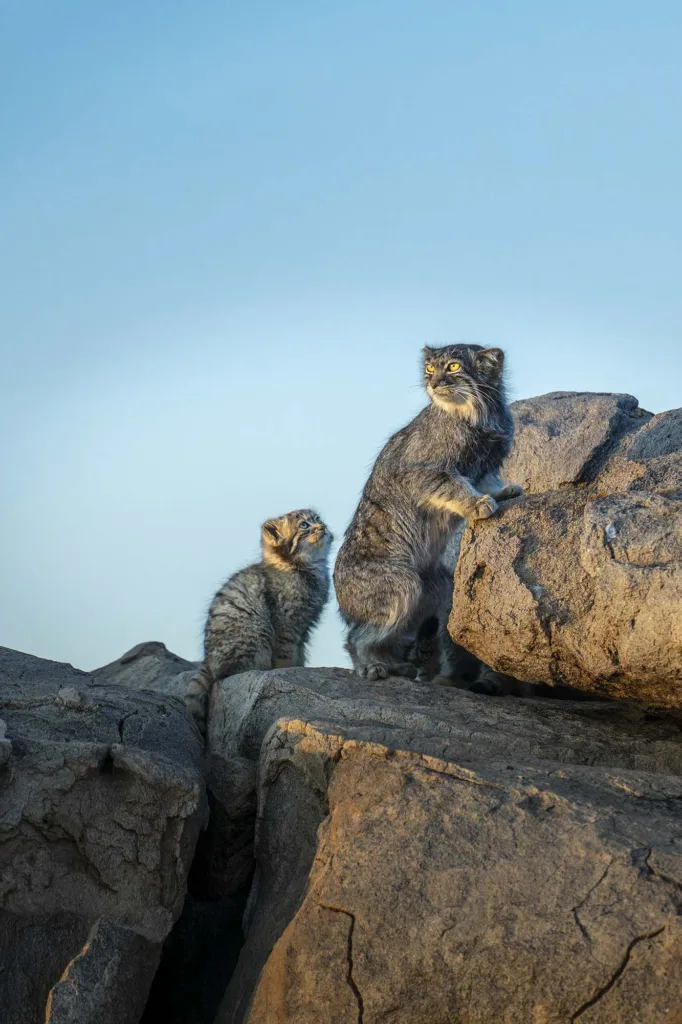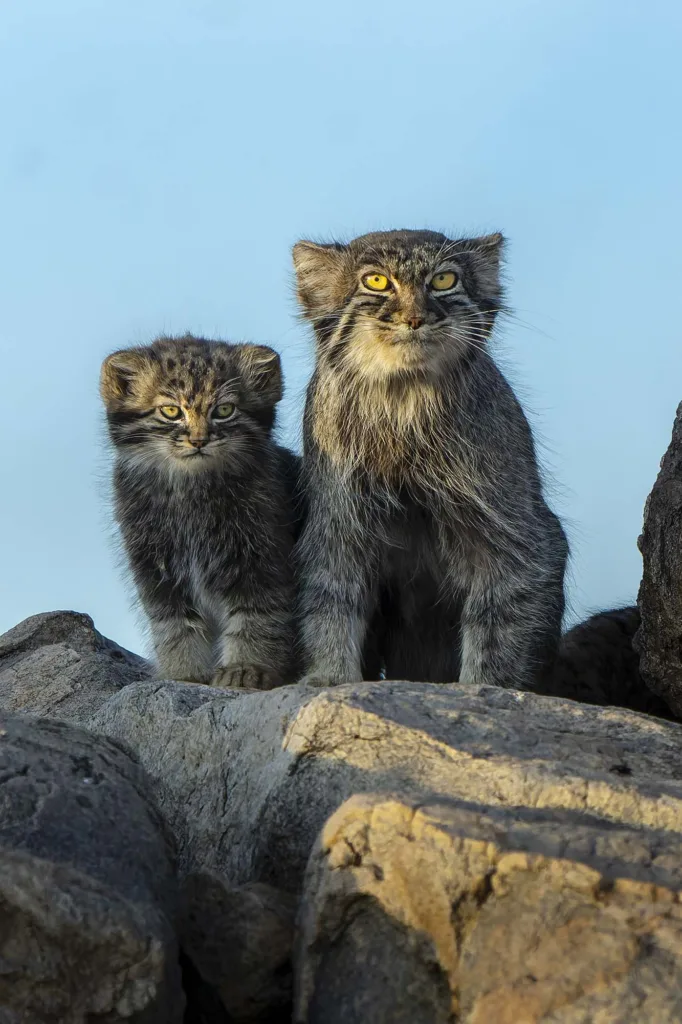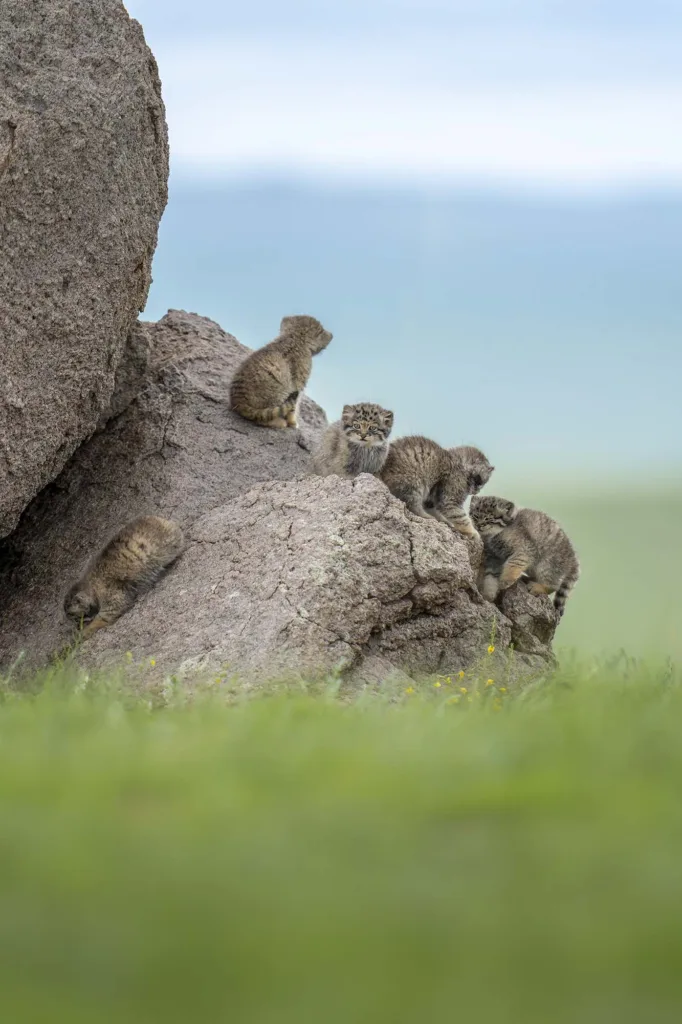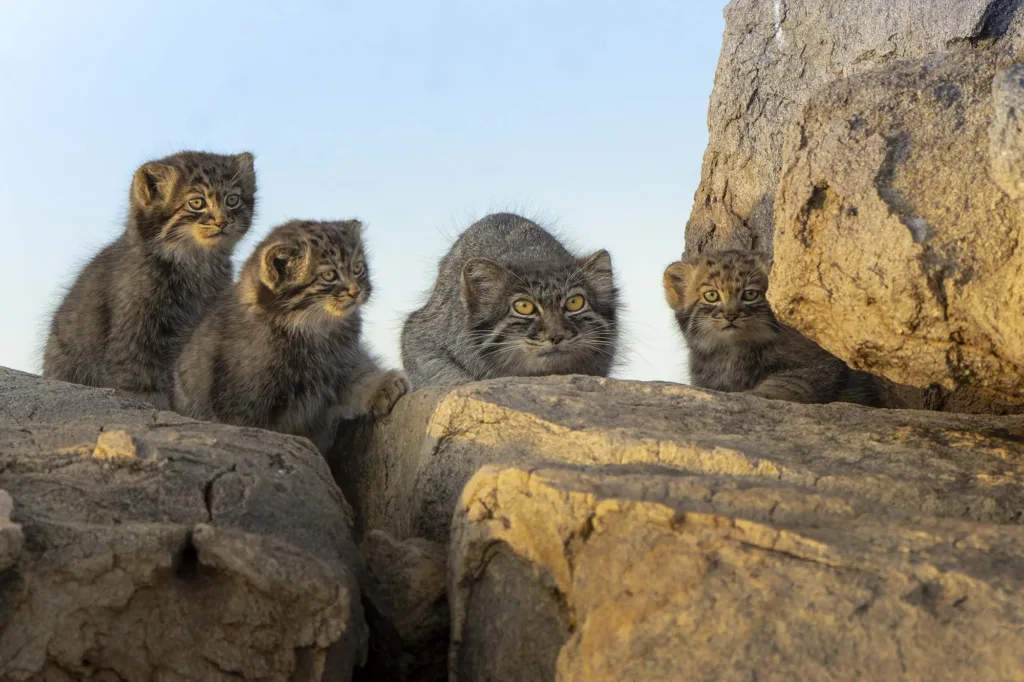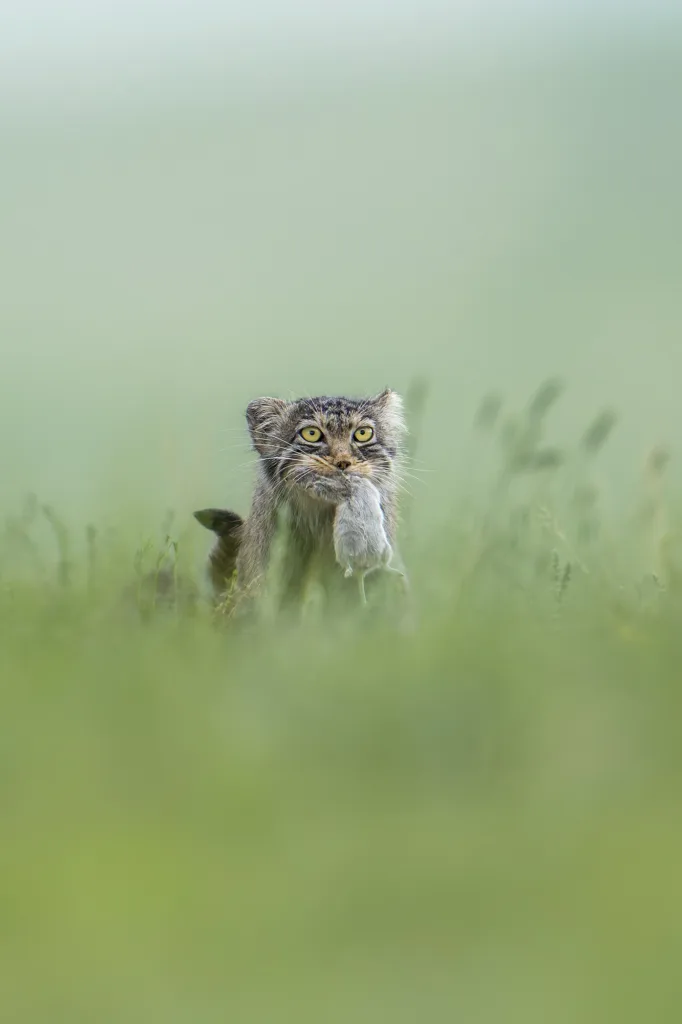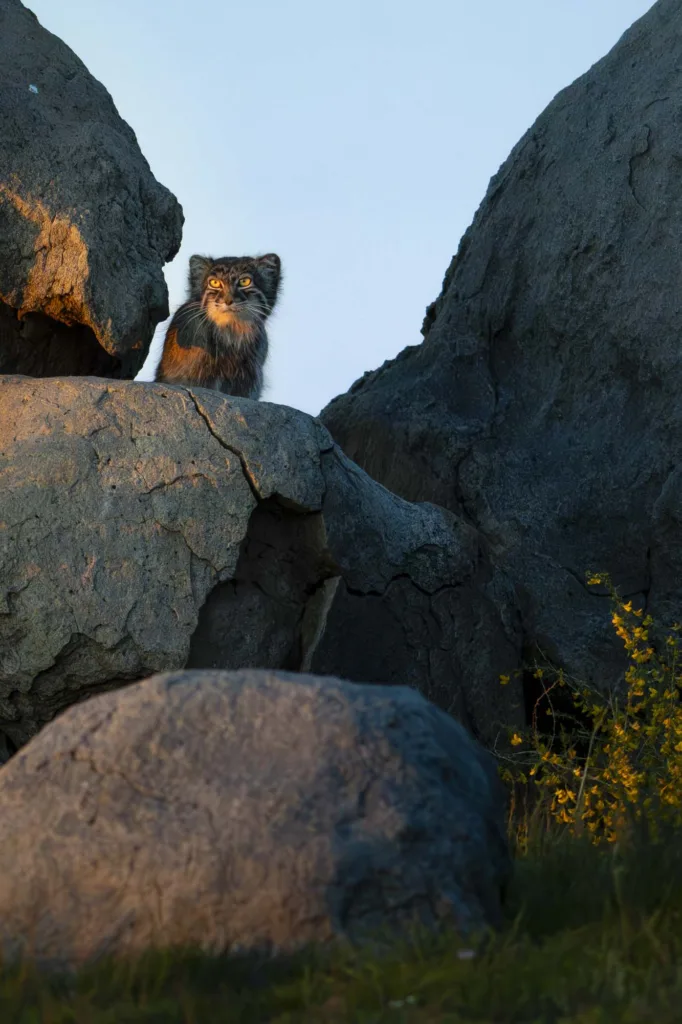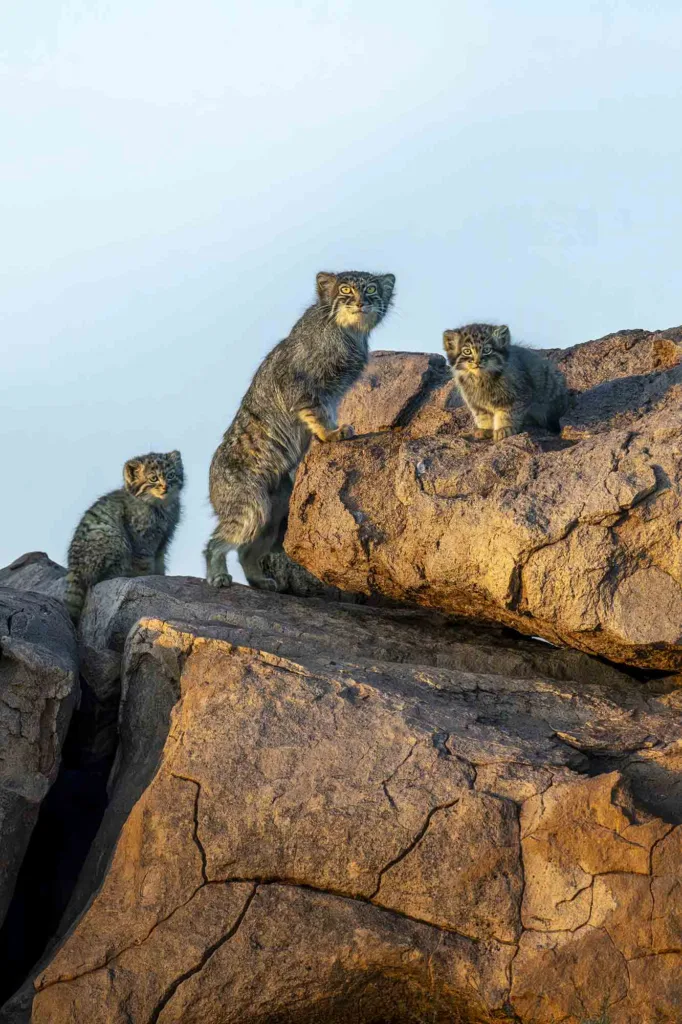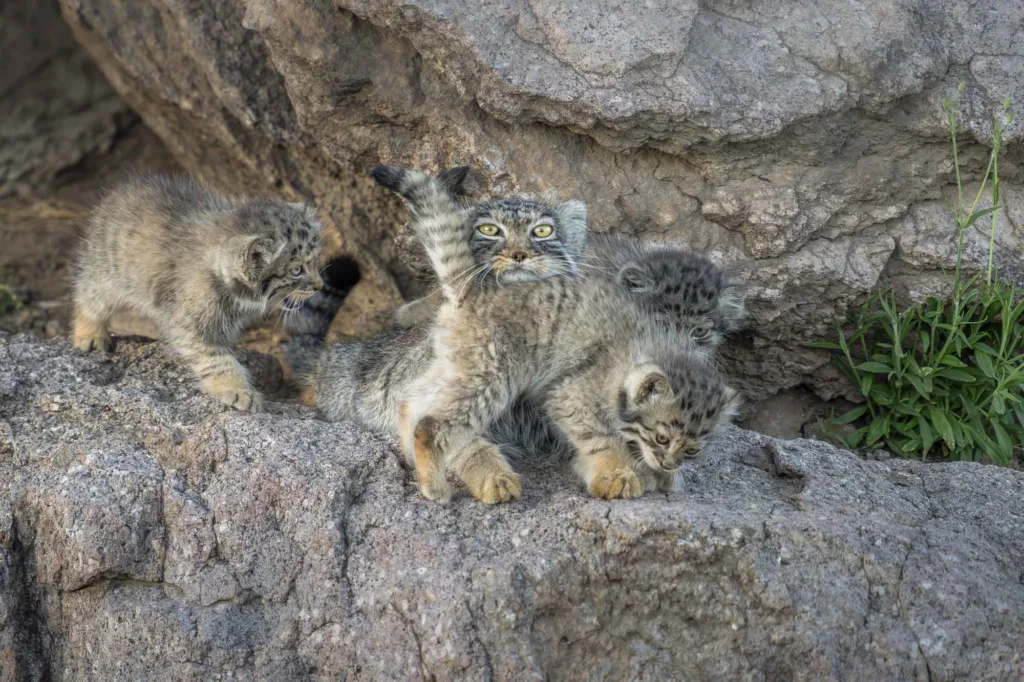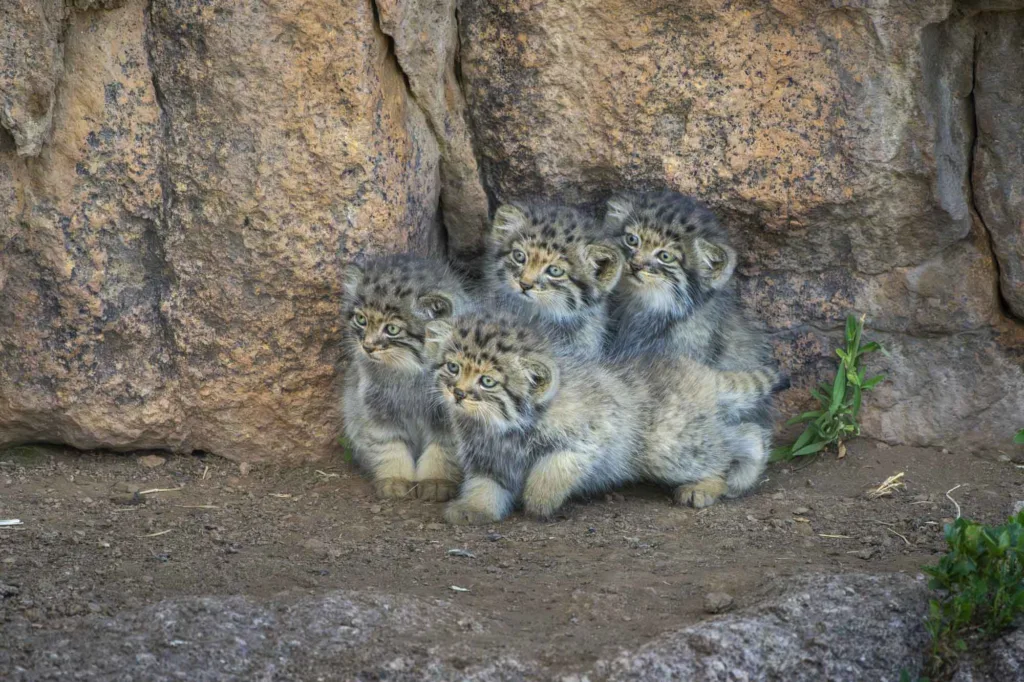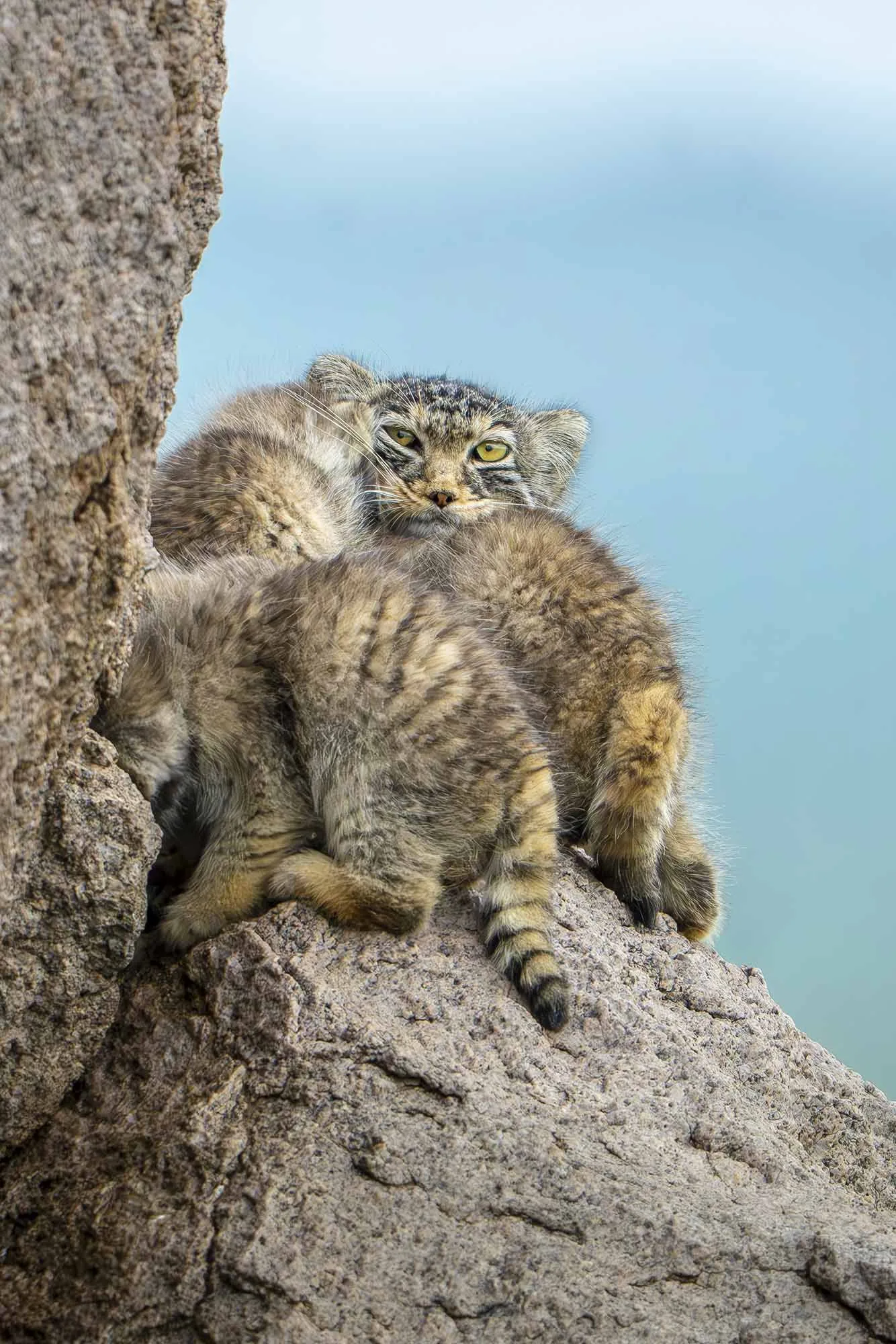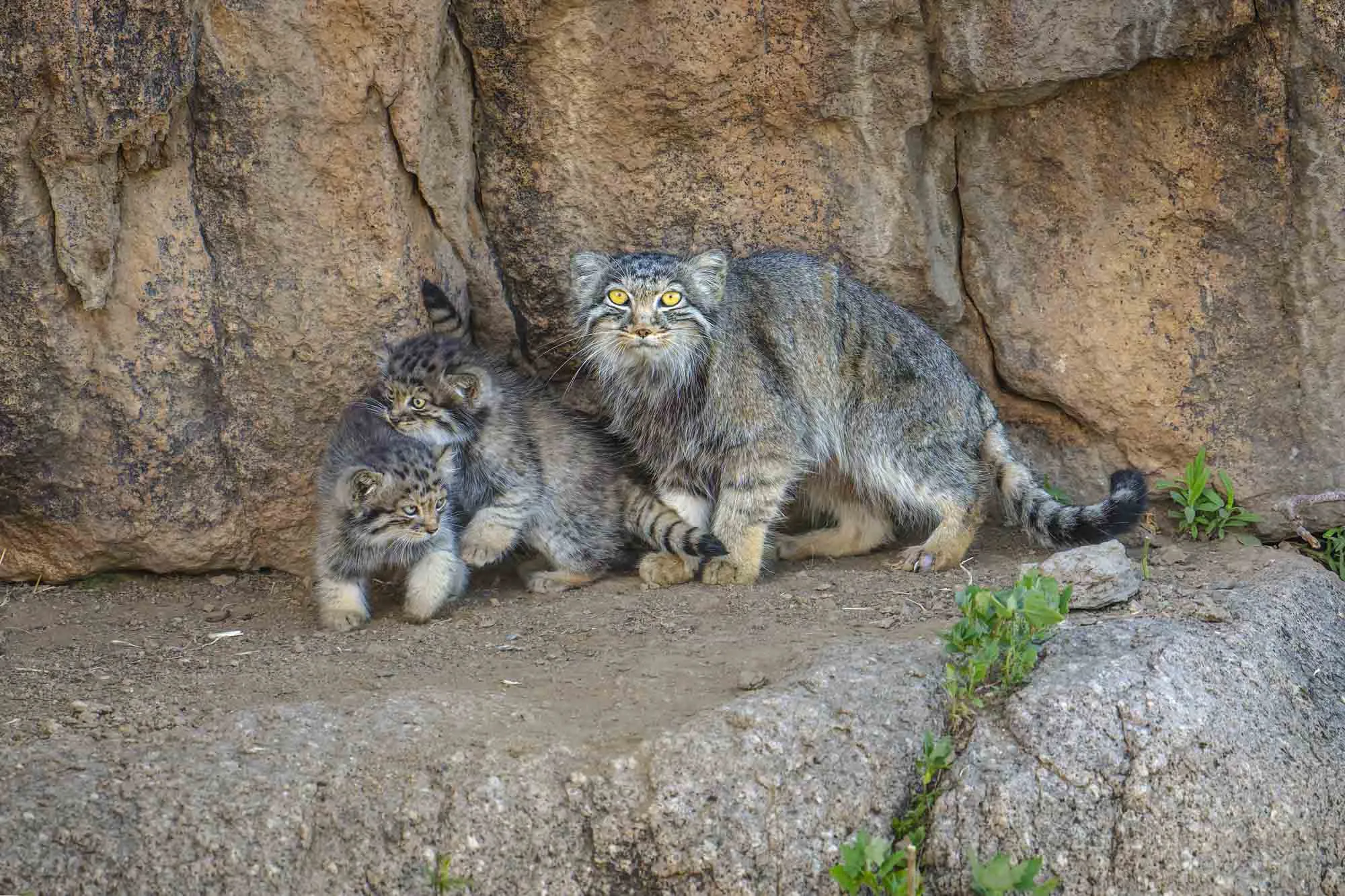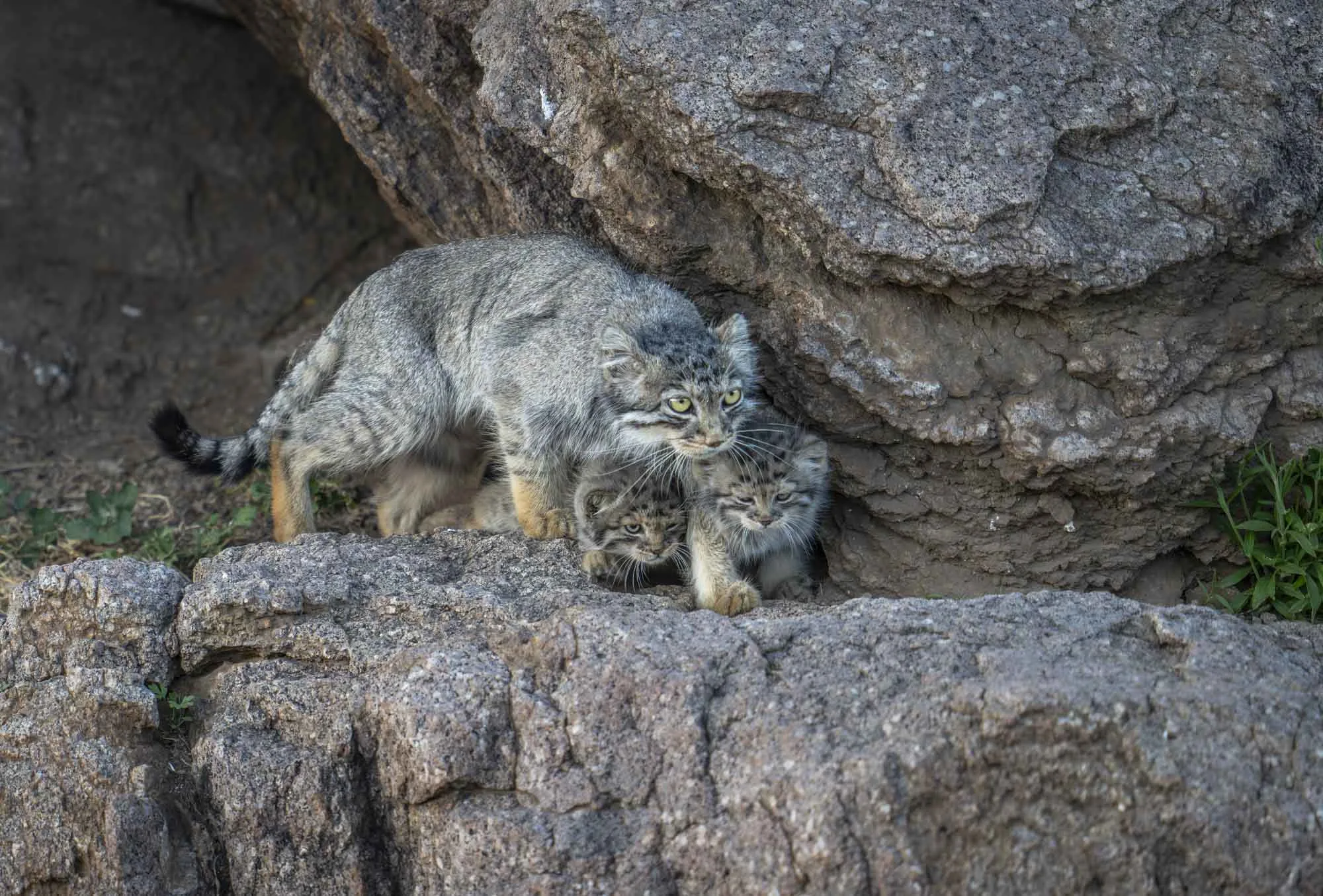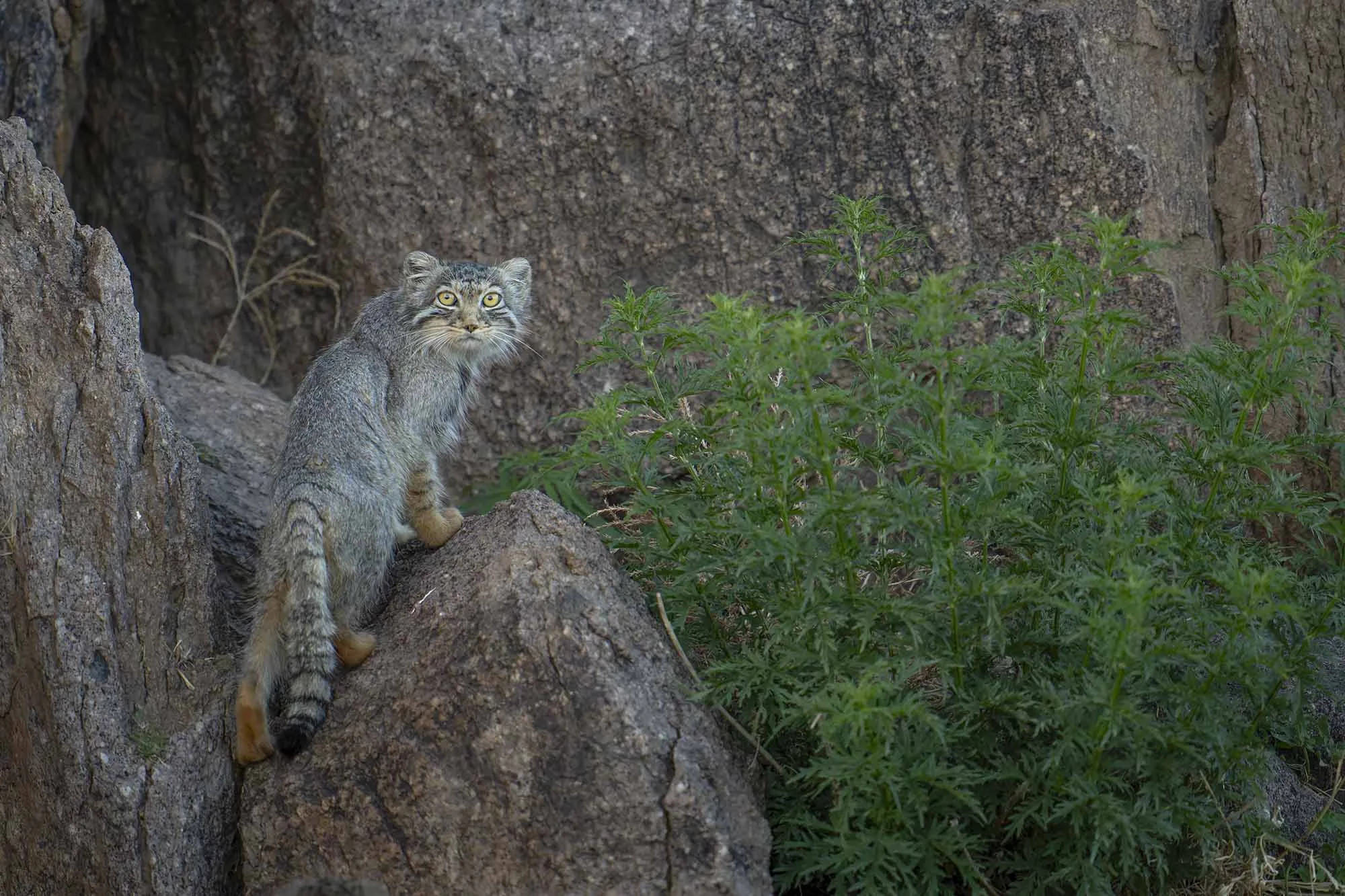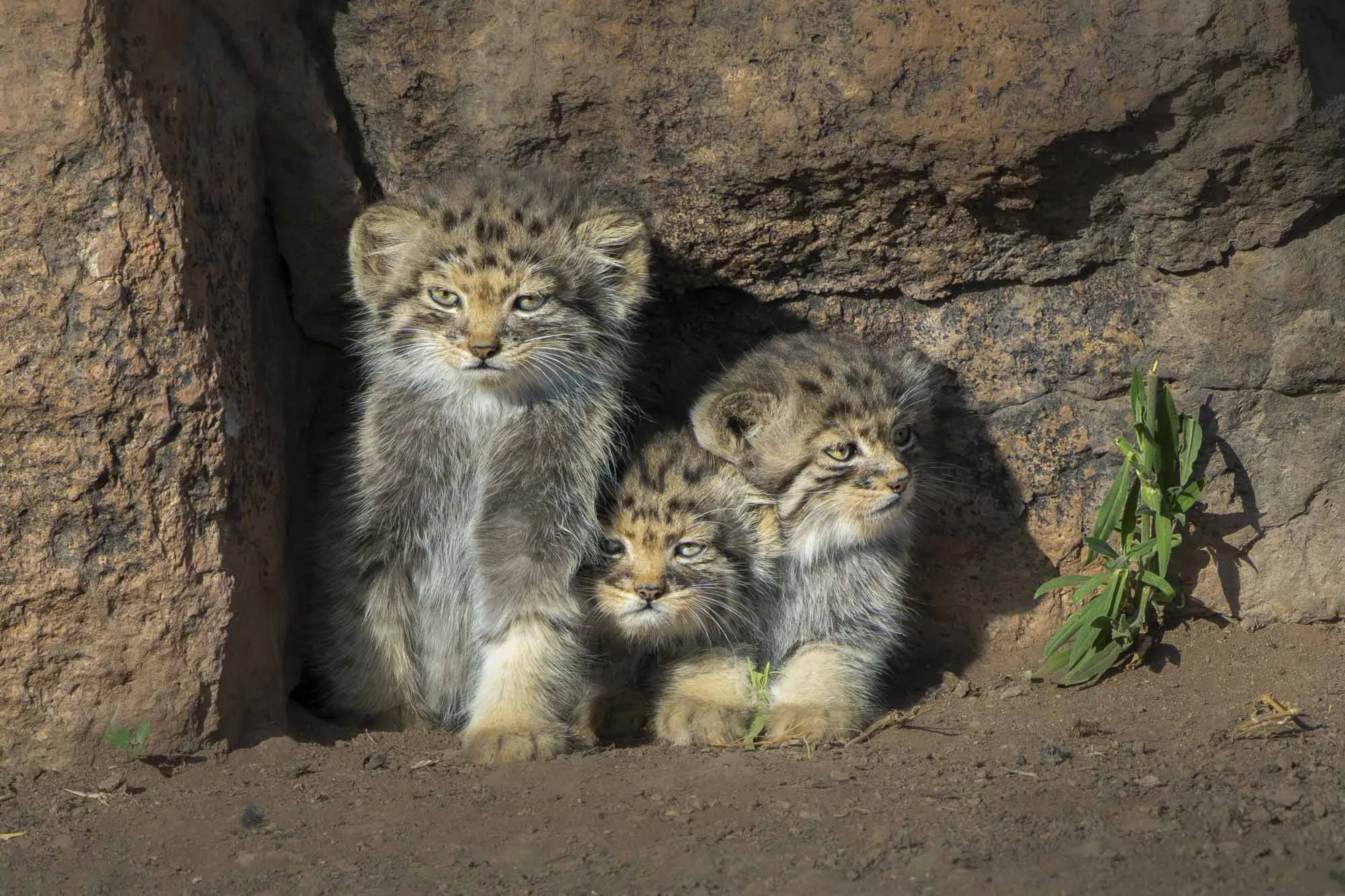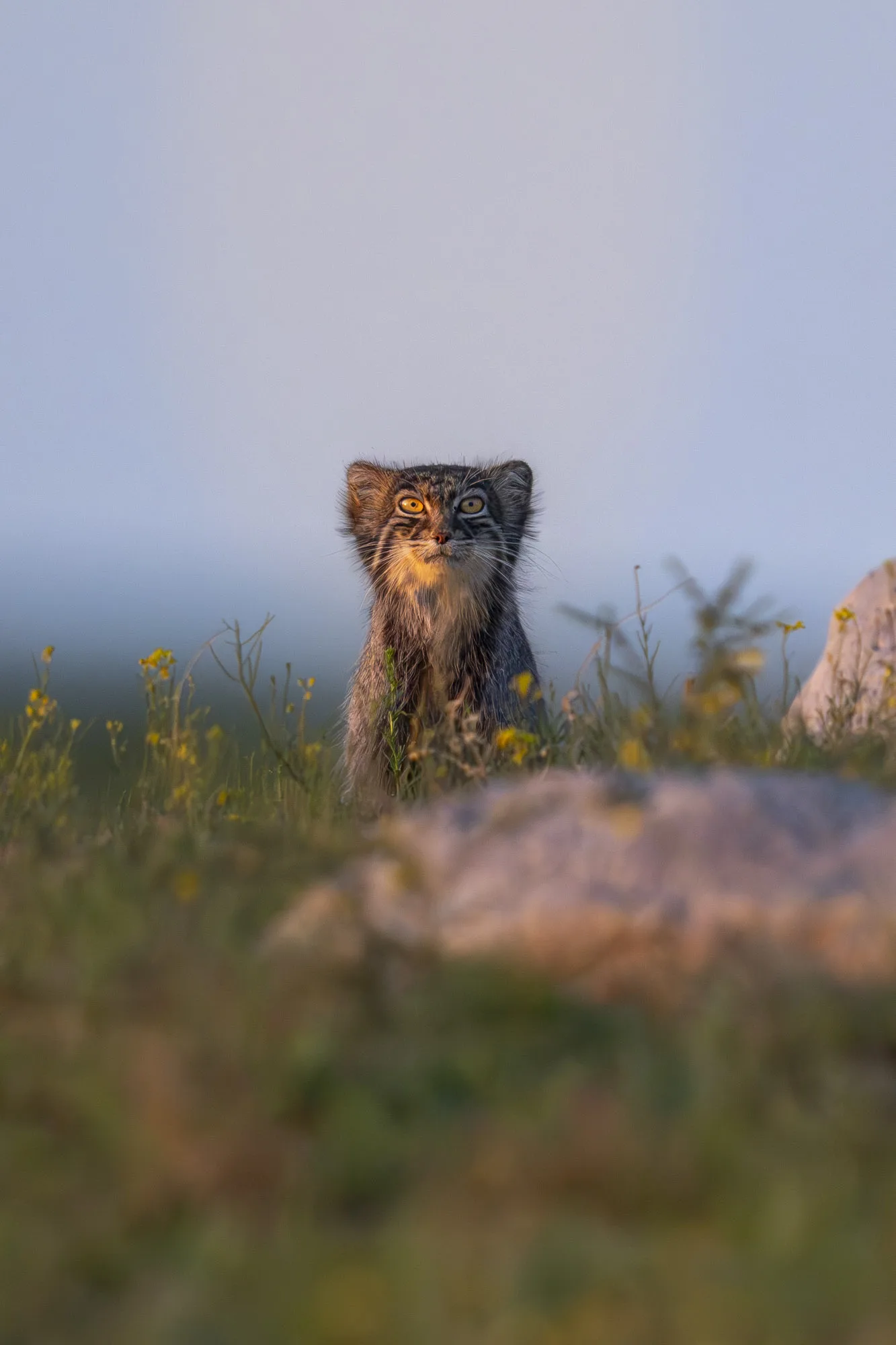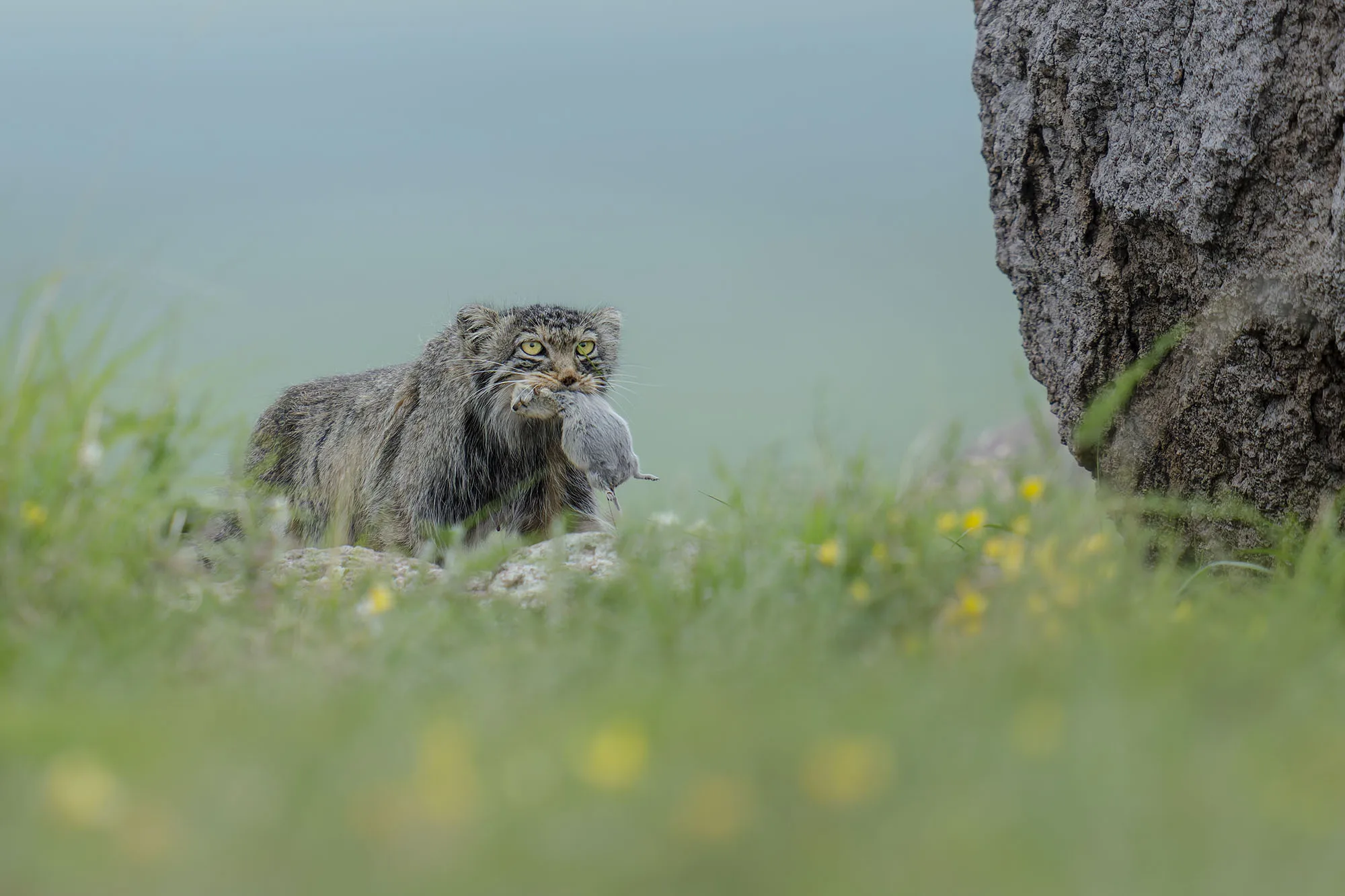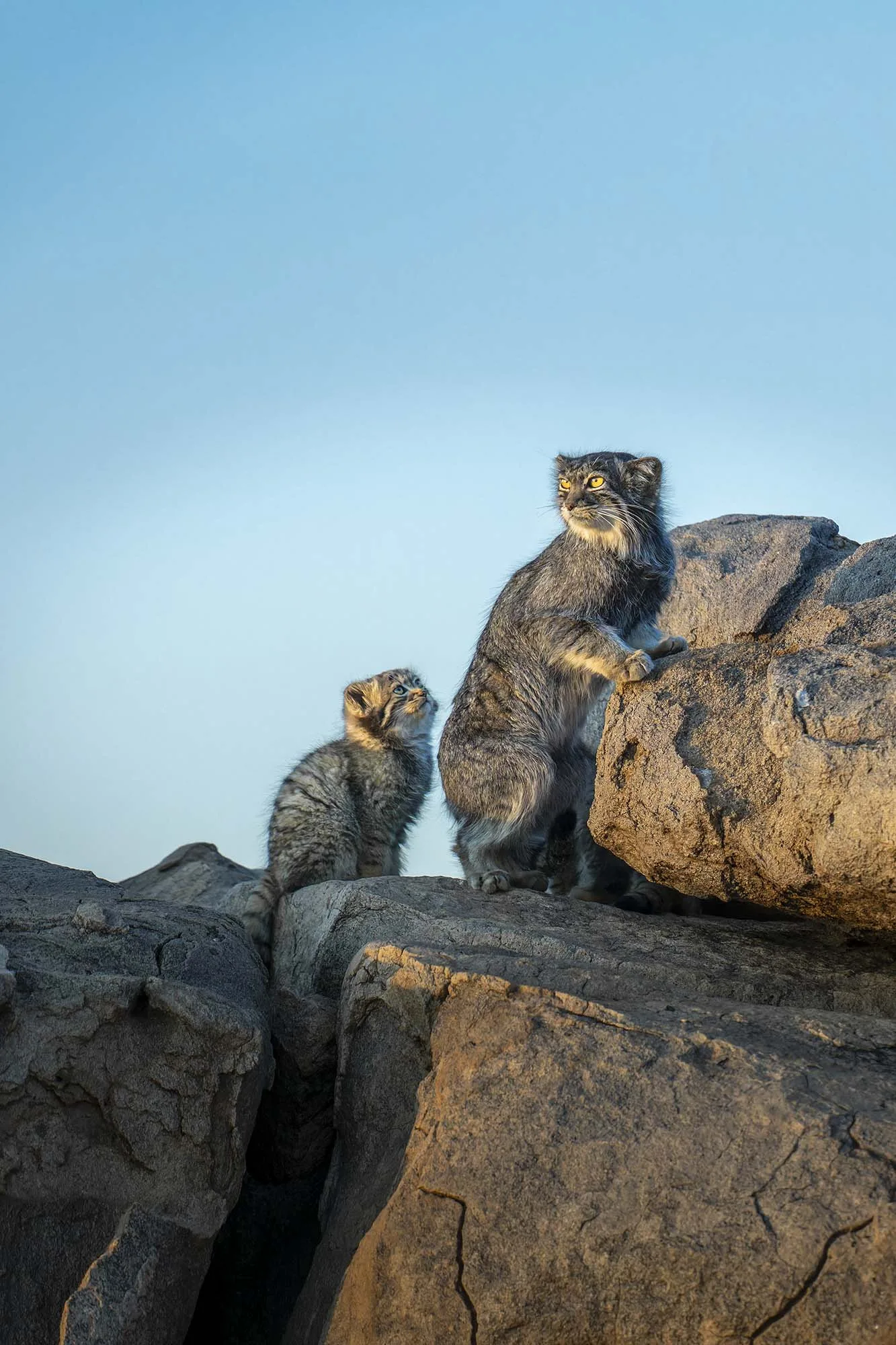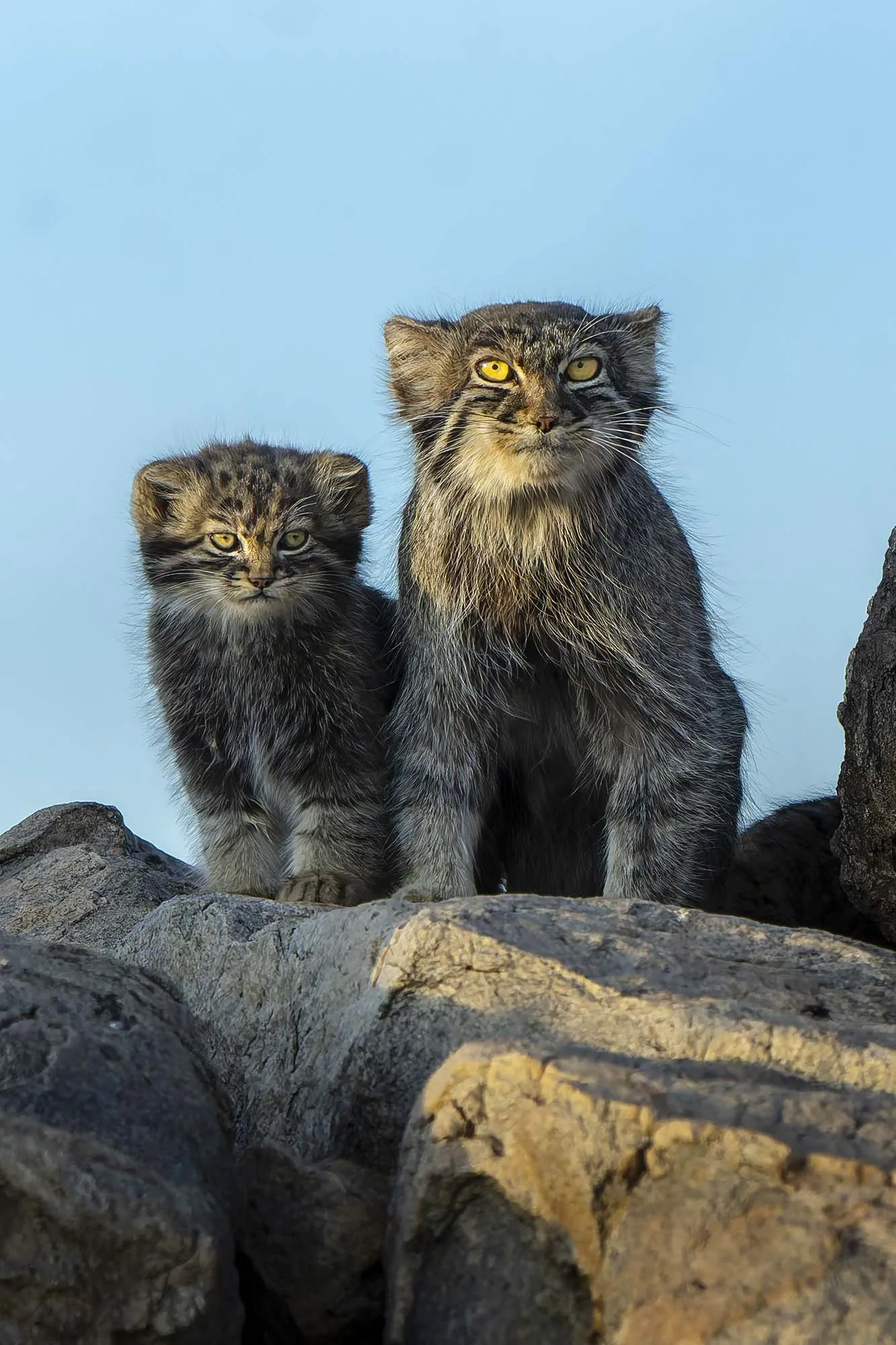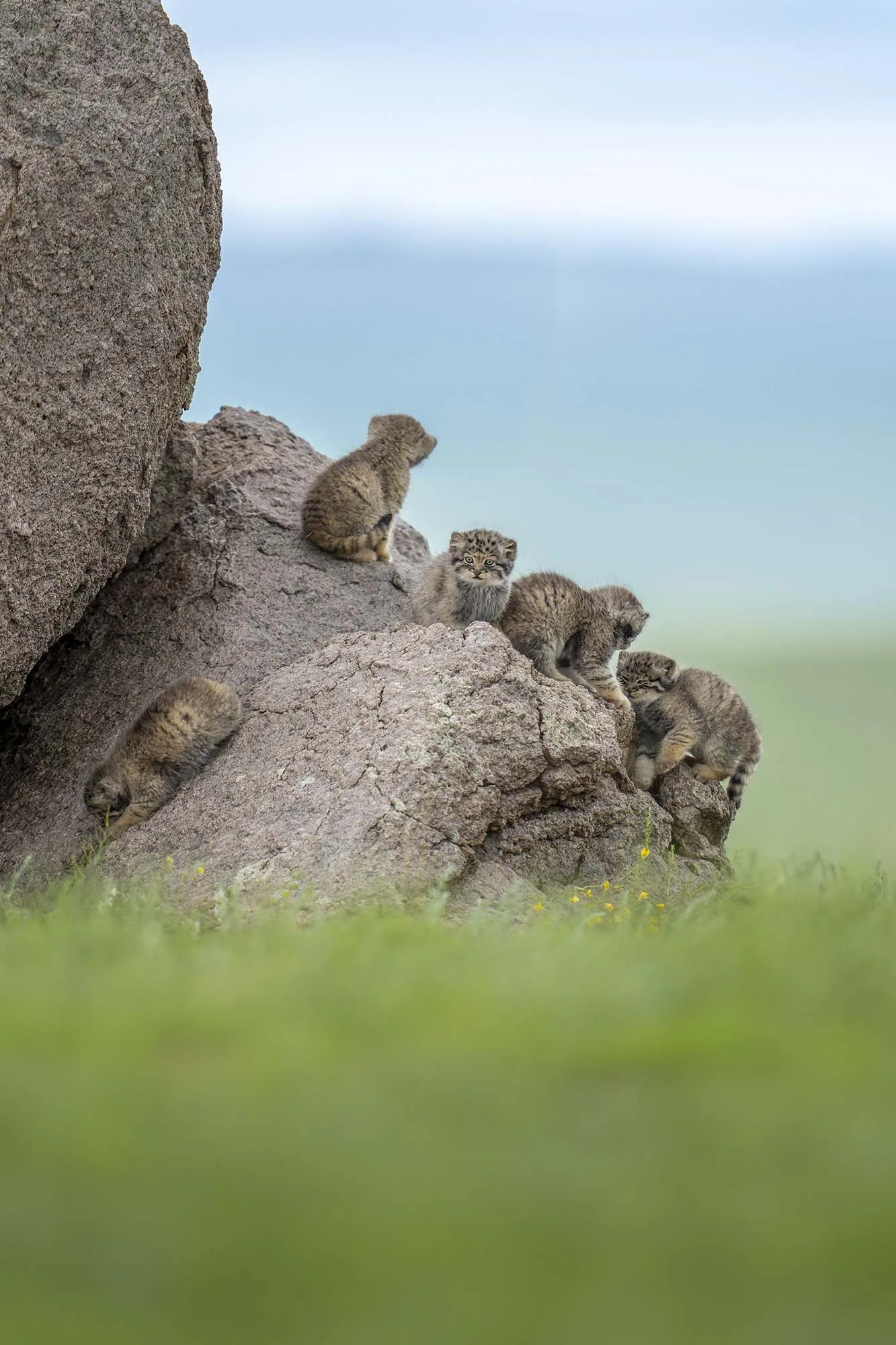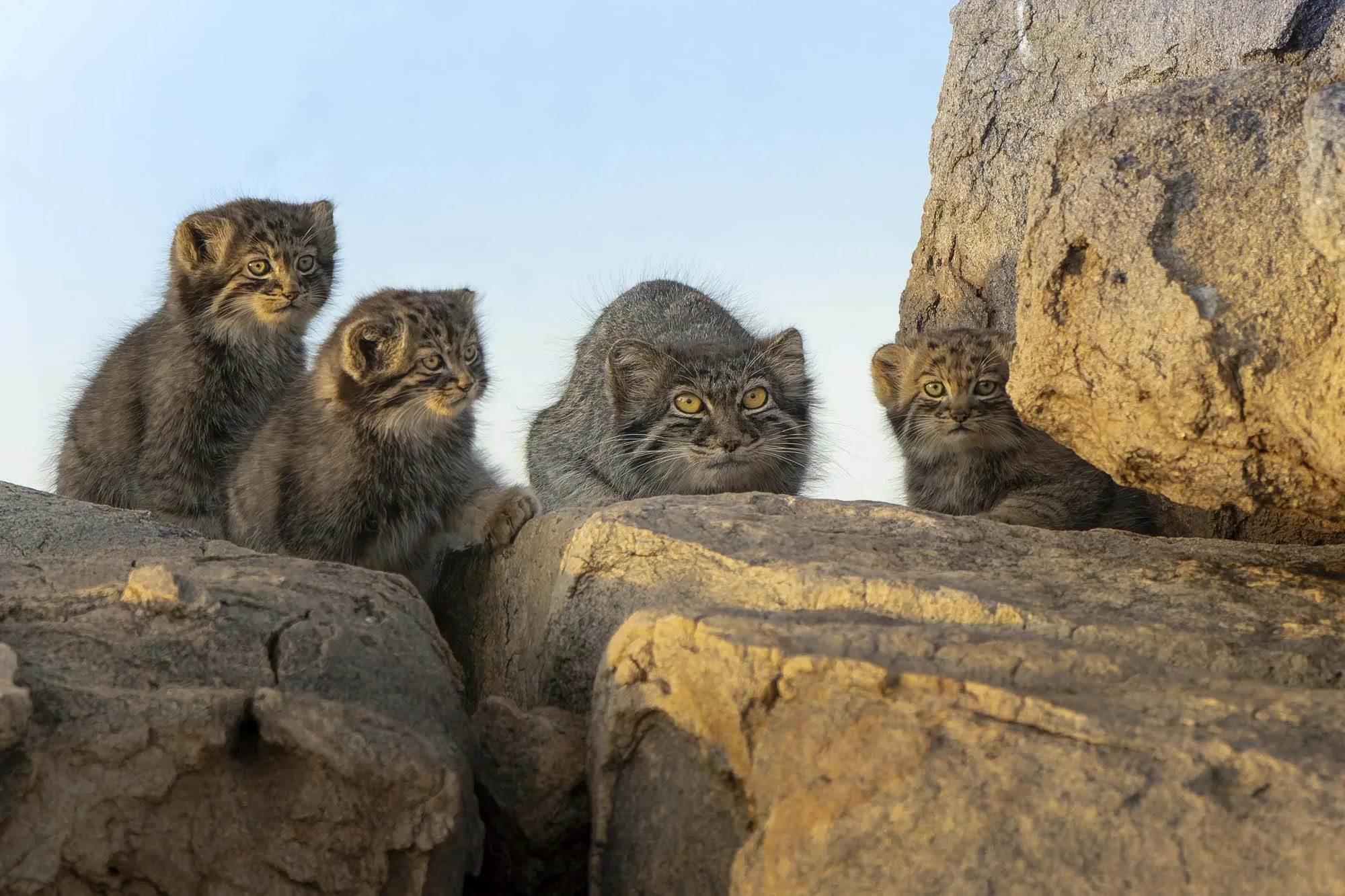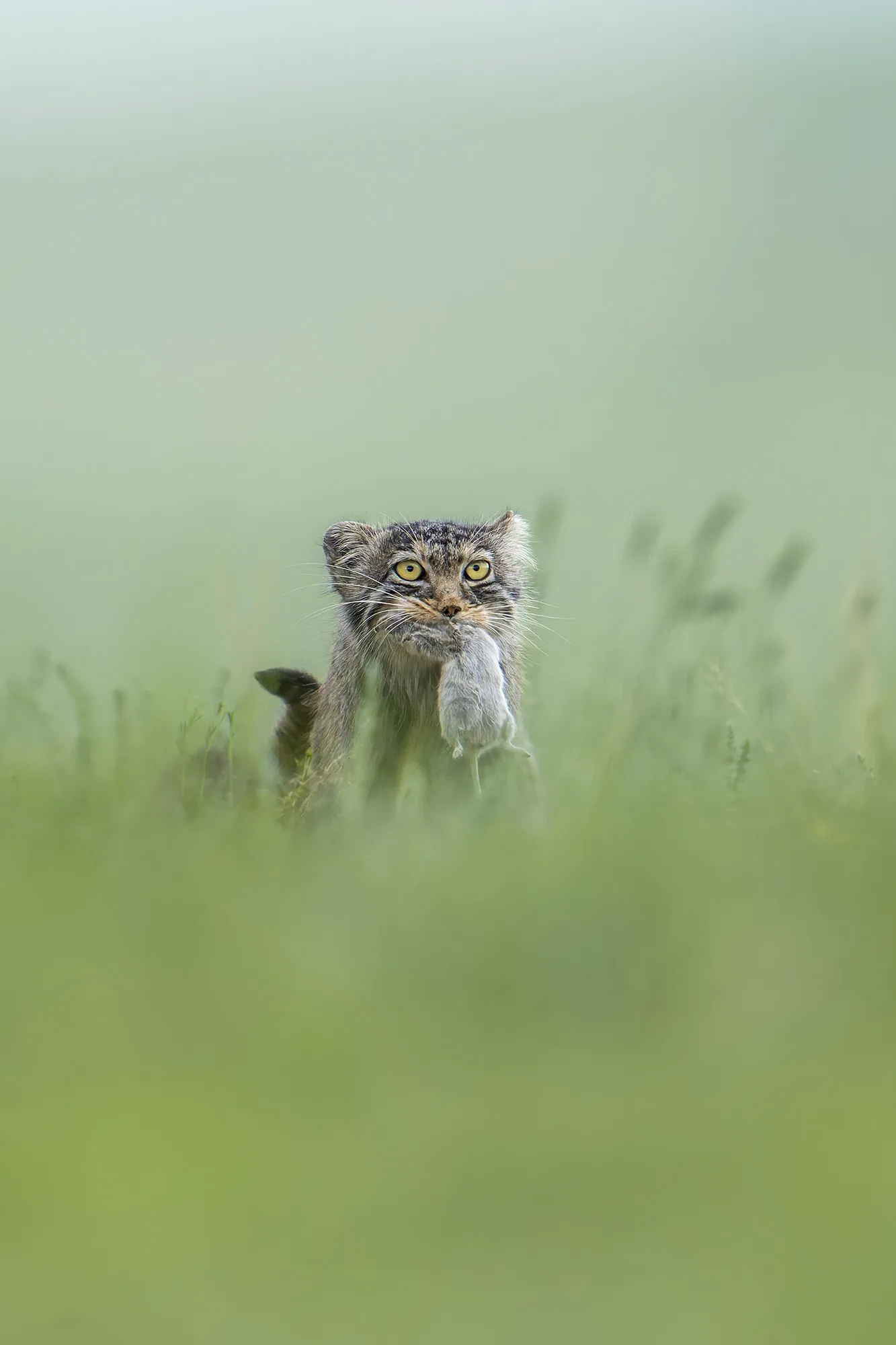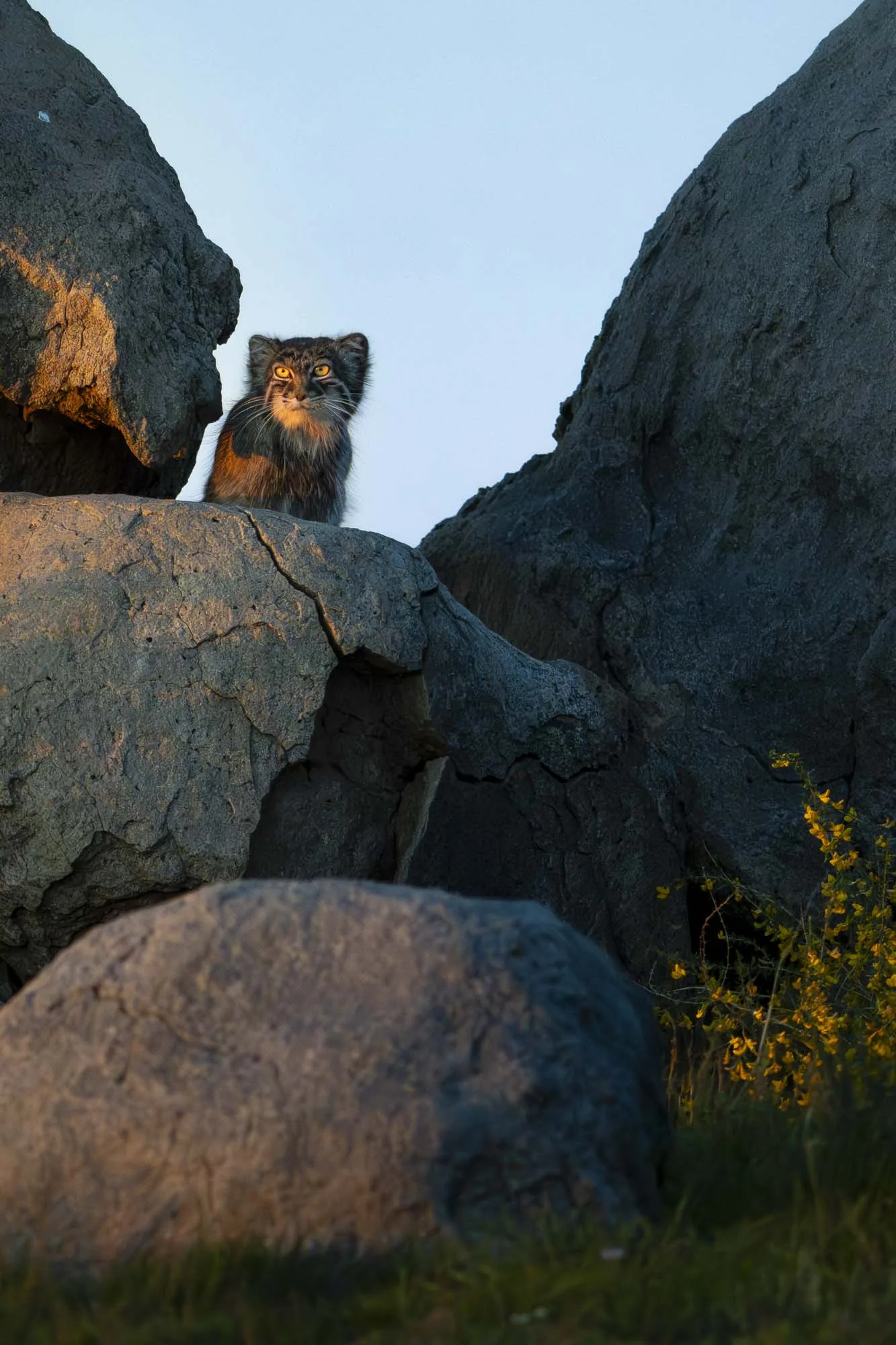
In Search of the Elusive Pallas’s Cat.
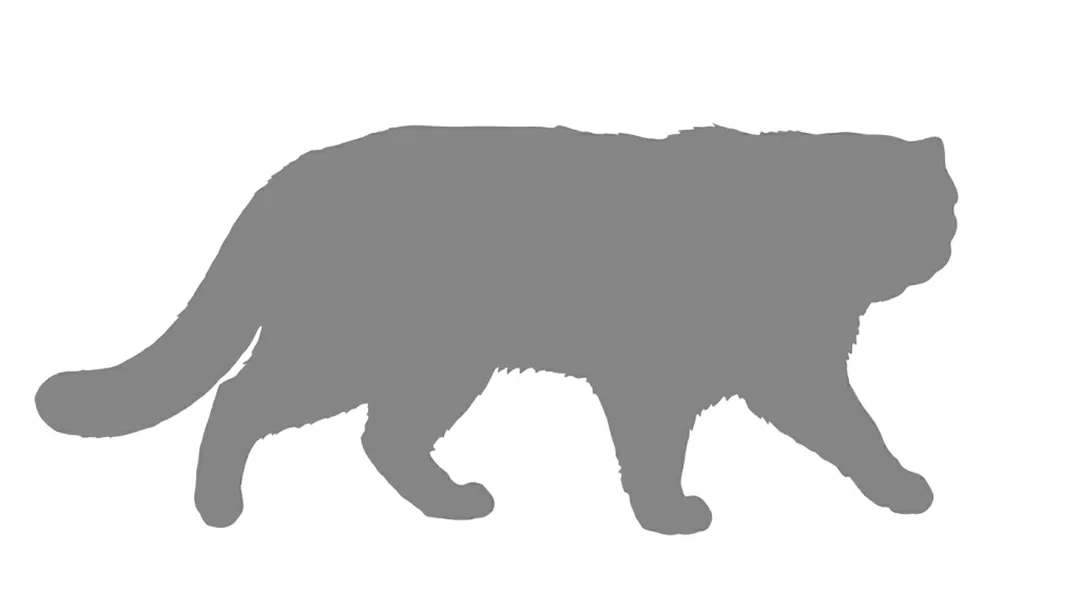
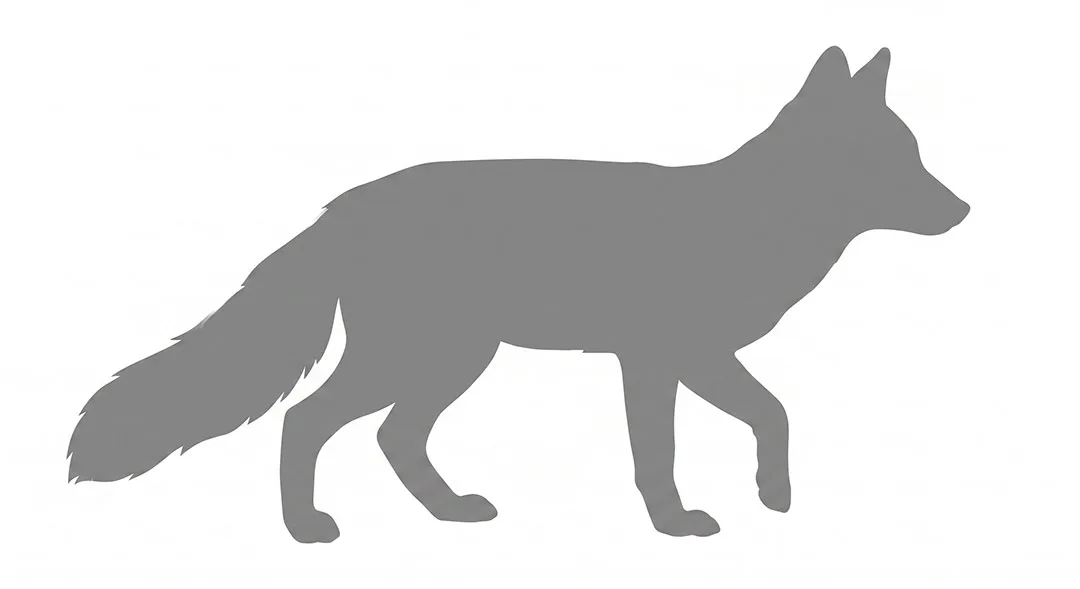
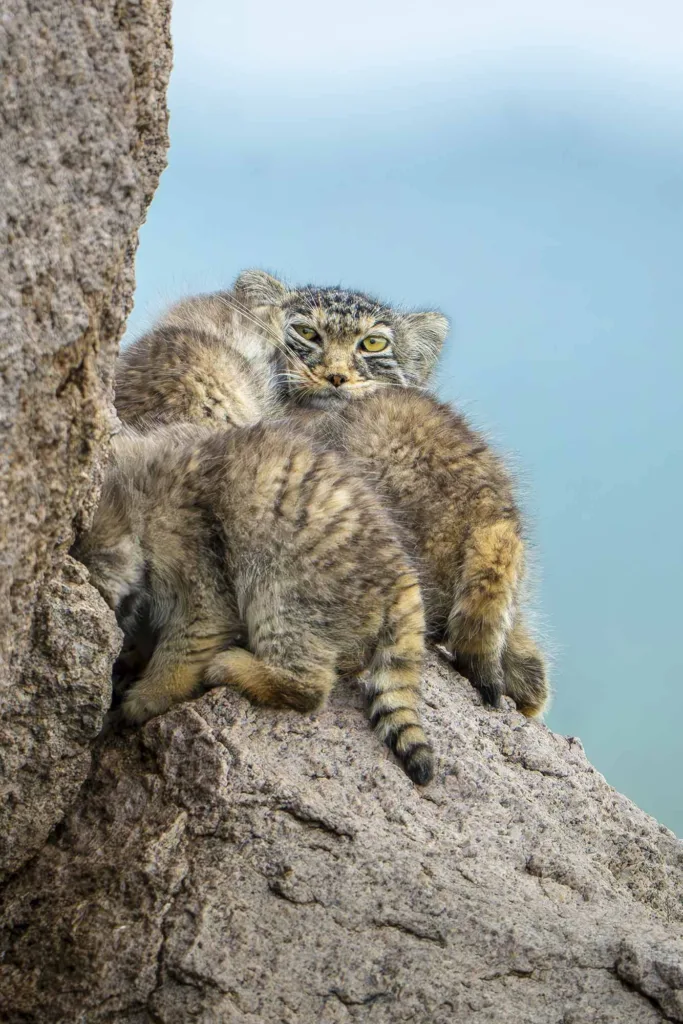
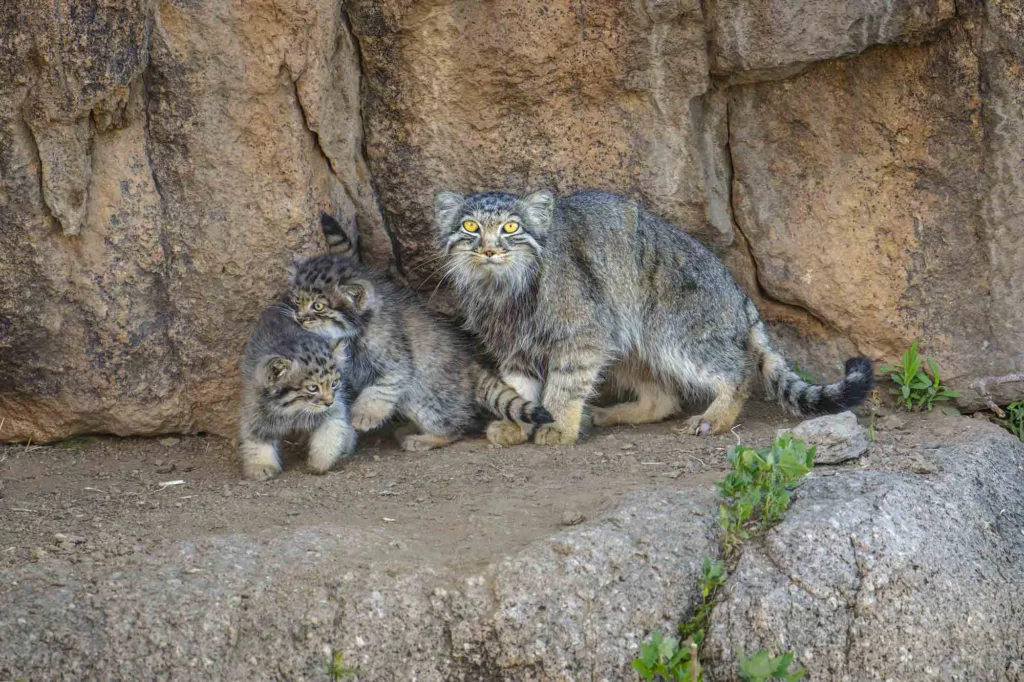
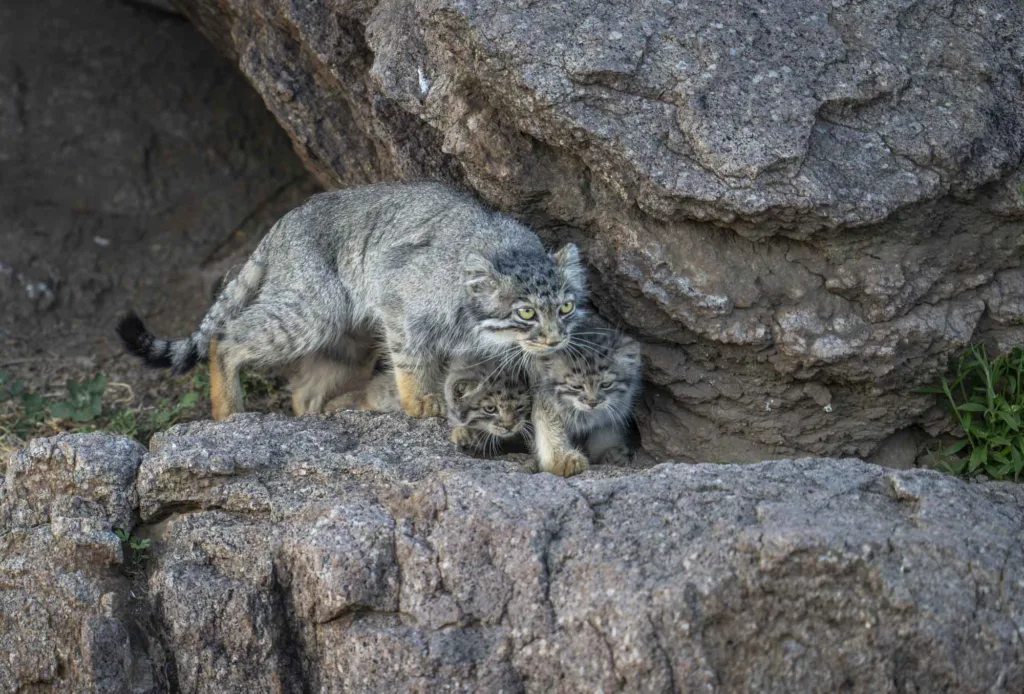
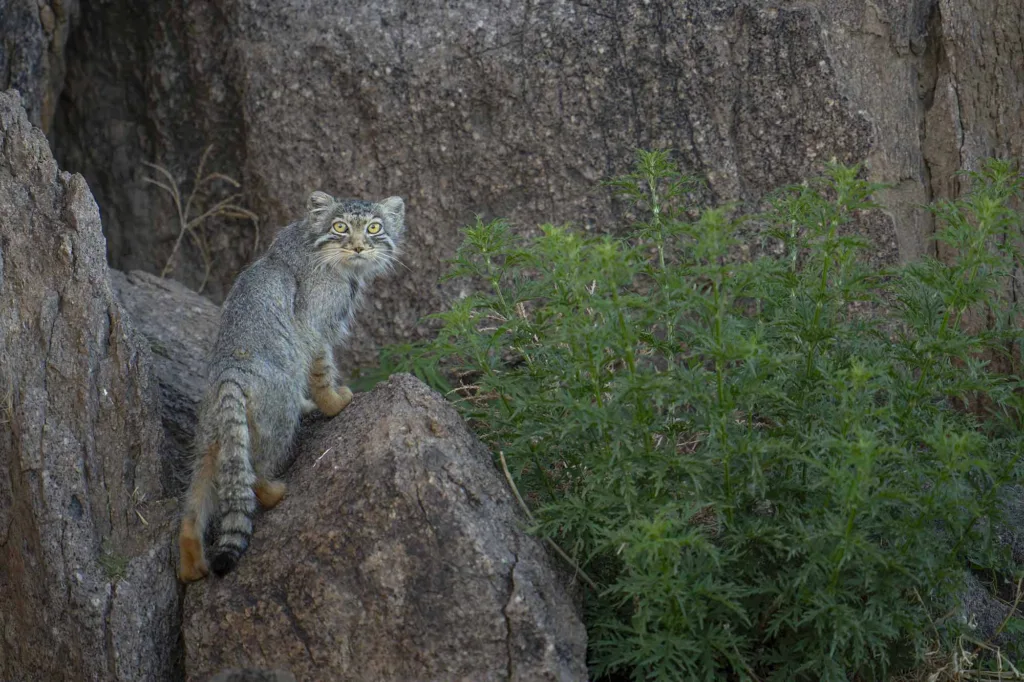
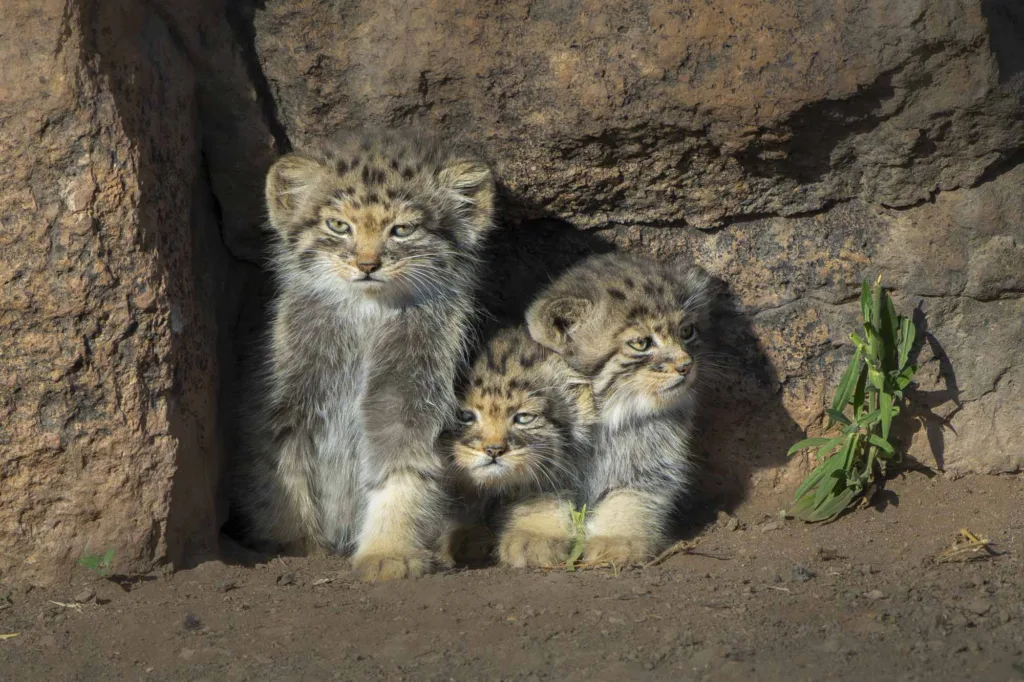
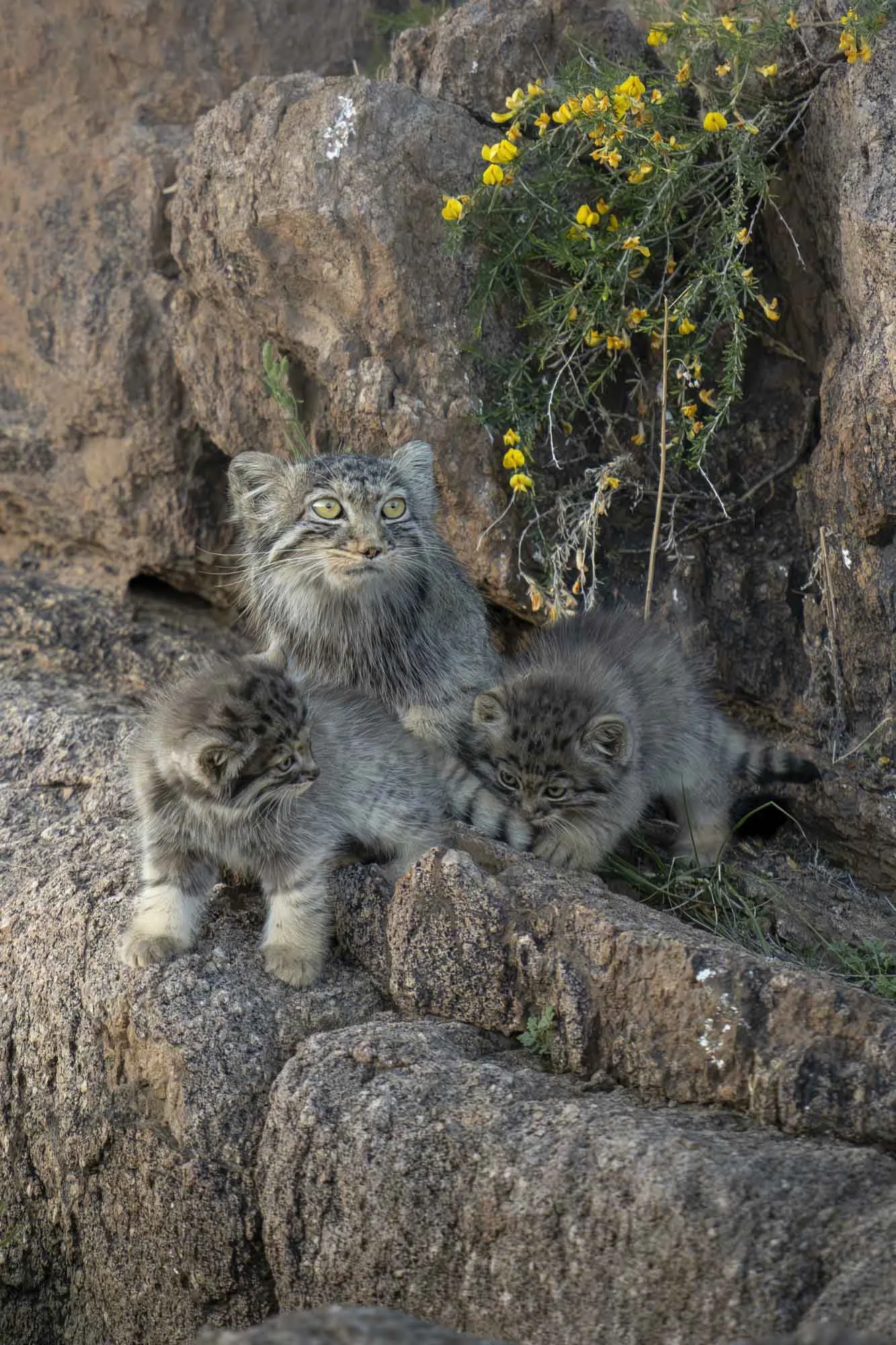
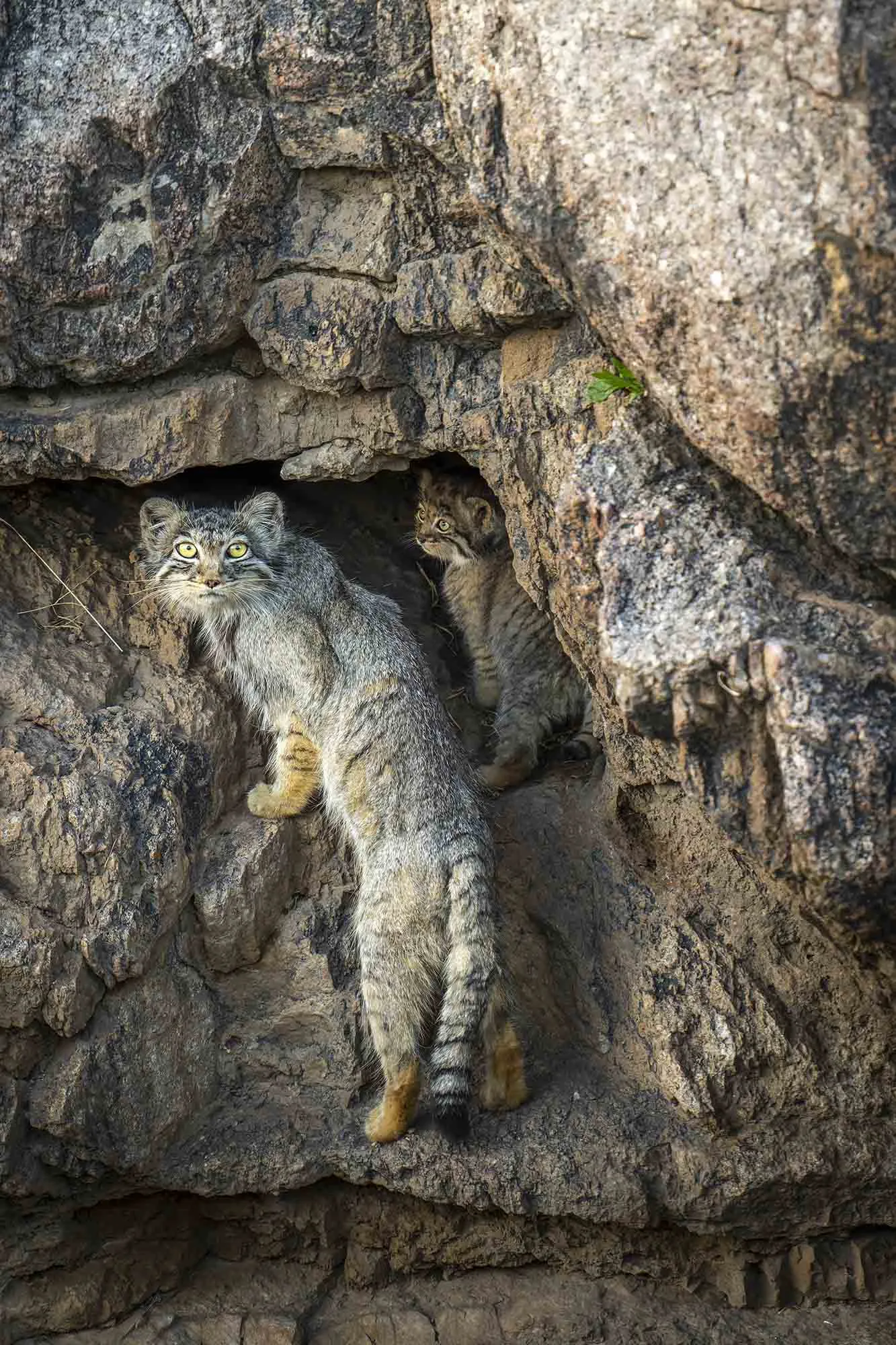
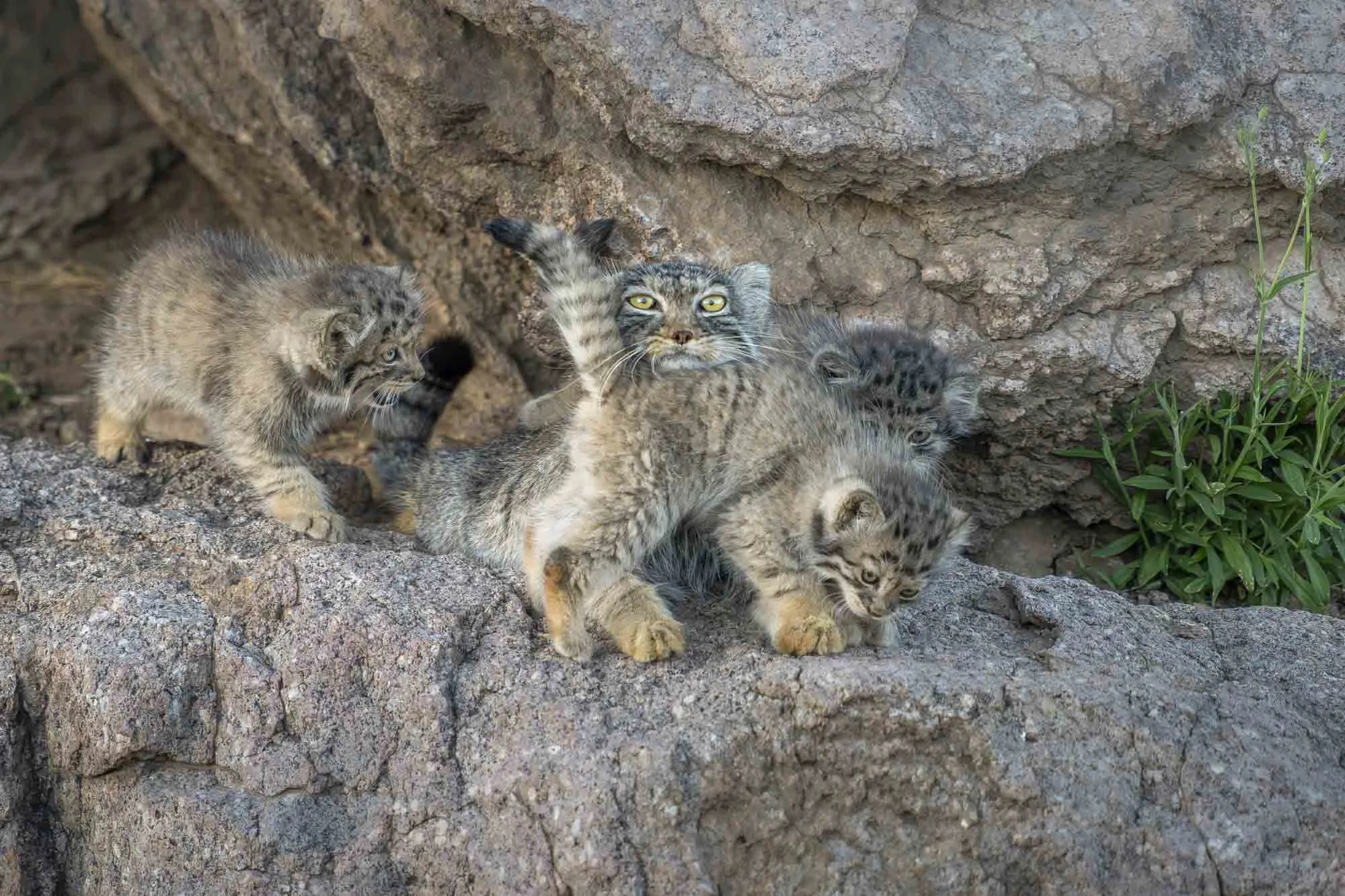
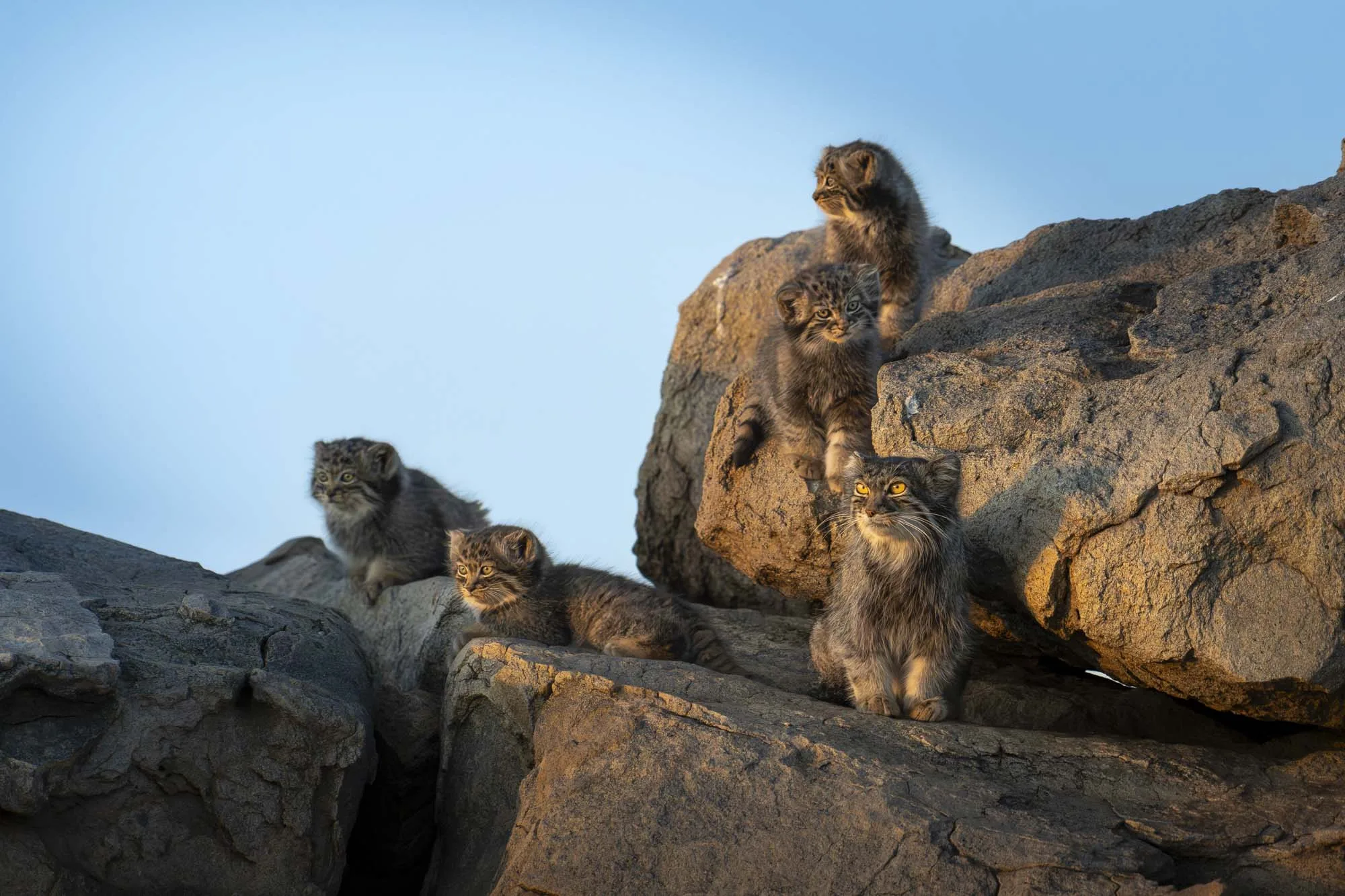
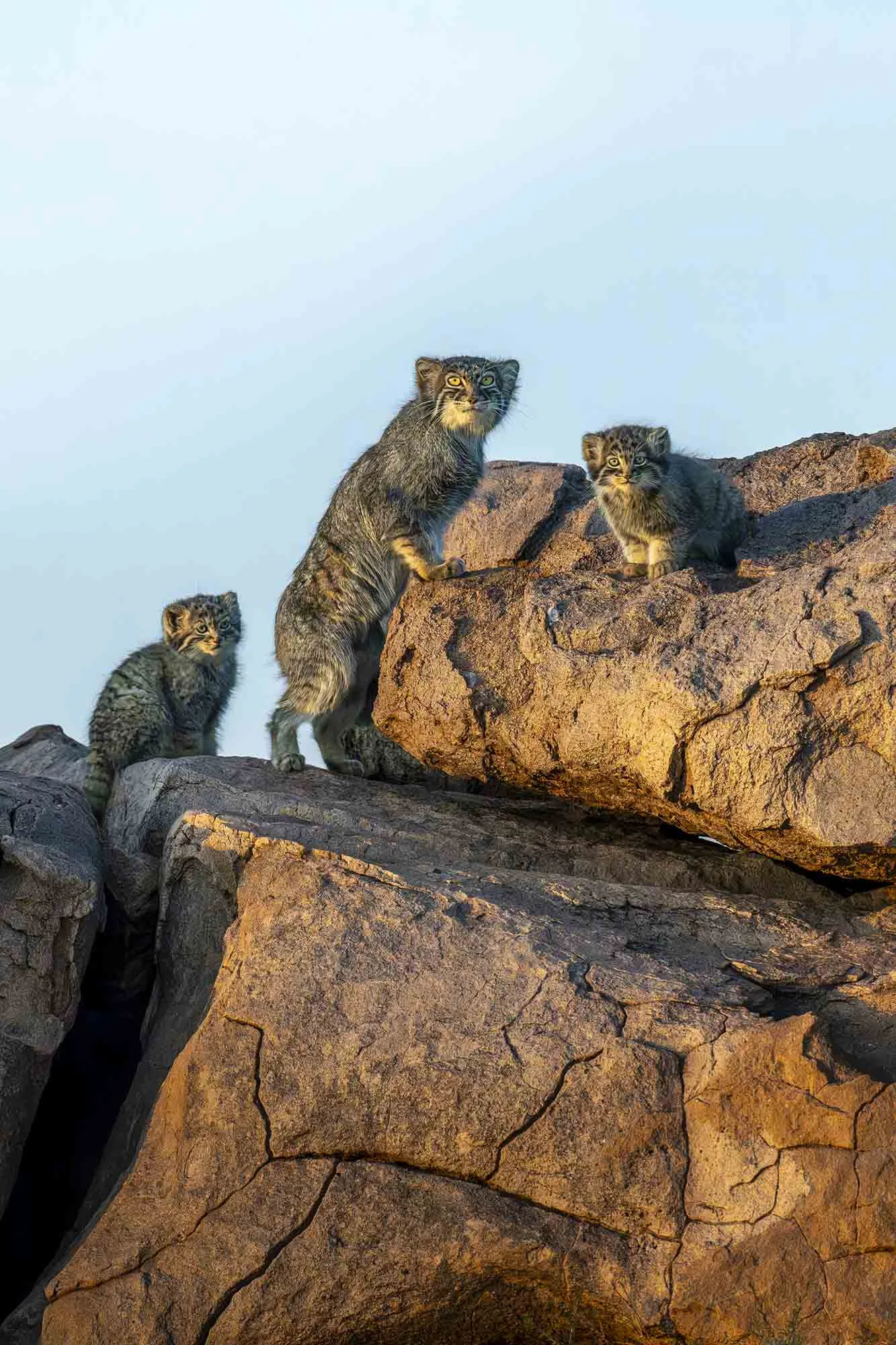
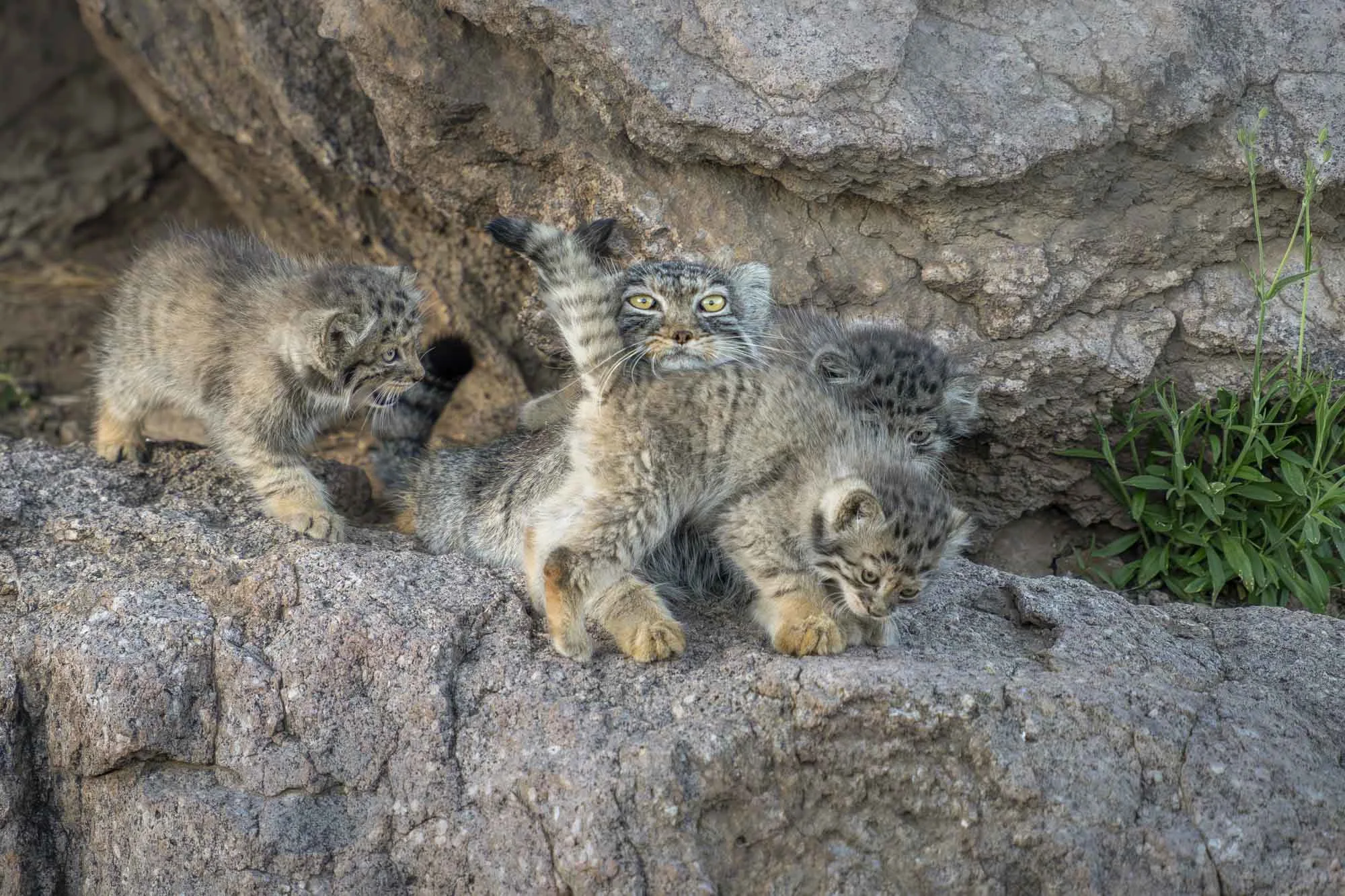
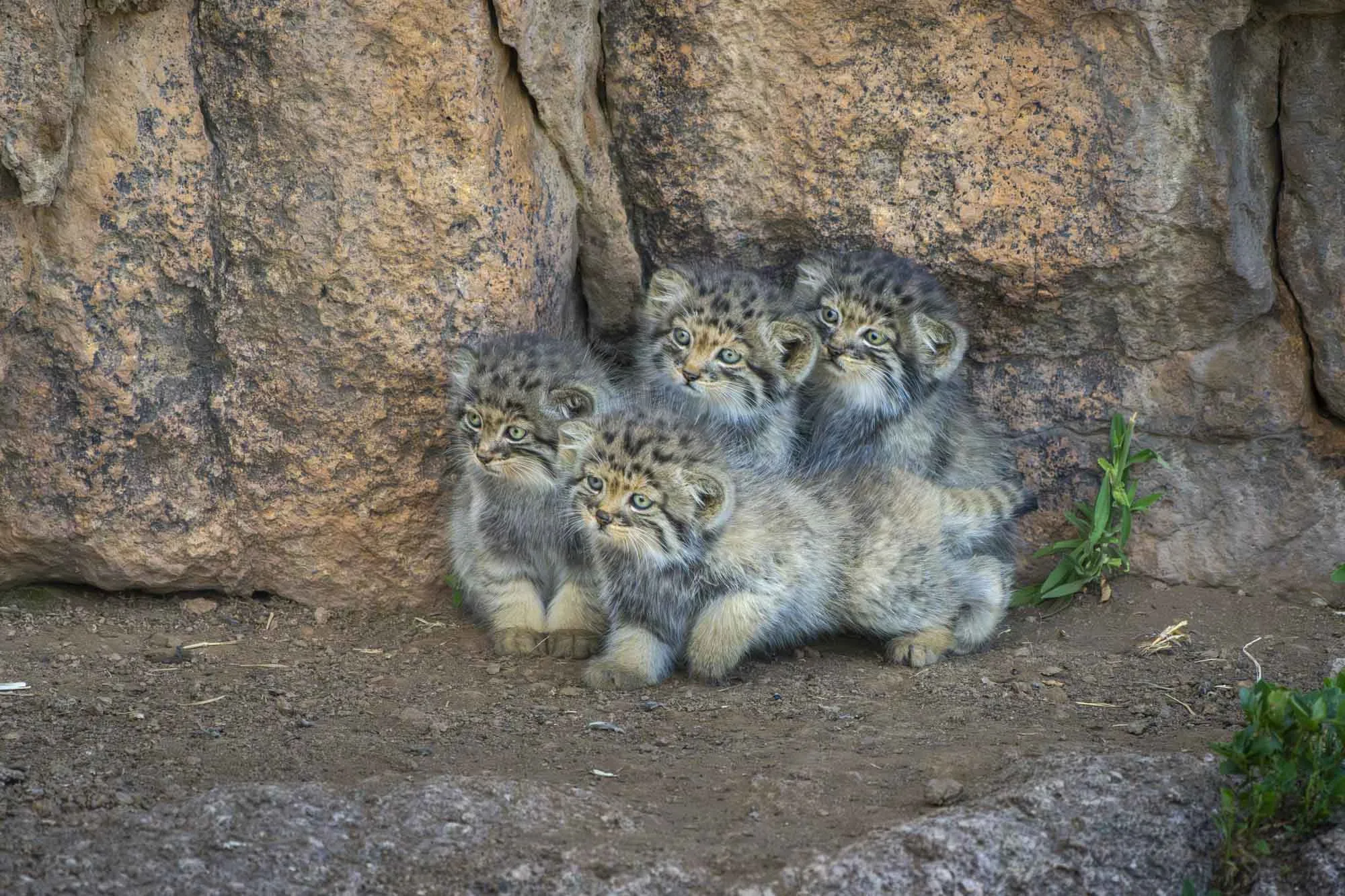
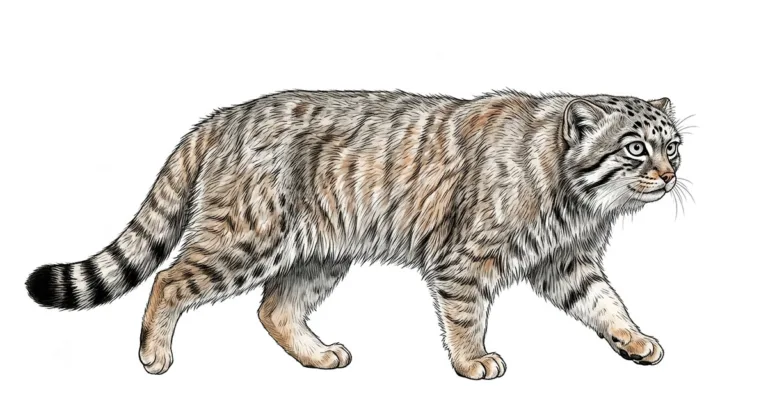
The focus of this expedition is to observe and photograph the remarkable Pallas’s cat (Otocolobus manul), one of the most elusive and captivating wild felines on Earth, within the vast Mongolian steppes where it thrives. Along the way, we also hope to encounter other fascinating wildlife, including the corsac fox, steppe polecat, and a rich diversity of birds that inhabit this unique ecosystem.
Jun 23th - Jul 1st, 2027
Easy
1

Arrival in Ulaanbaatar. Overnight at hotel in the city.
Arrival Airport:
Ulaanbaatar International Airport (UBN) – Chinggis Khaan International Airport
Hotel: Kempinski
Drive to Manul Camp (600 km paved + 70 km dirt road), we will drive 7 hours, aprox. Overnight in traditional ger.
Hotel: Manul camp
Morning: search for steppe polecat and corsac fox—both diurnal and crepuscular.
Afternoon: Pallas’s cat observation from previously identified locations.
Hotel: Manul camp
Drive back to Ulaanbaatar. Overnight at hotel.
Hotel: Kempinski
International flight home.
Departure Airport:
Ulaanbaatar International Airport (UBN) – Chinggis Khaan International Airport

Acommodations (shared hotel rooms in Ulaanbaatar and gers in camp)

Location and elevation
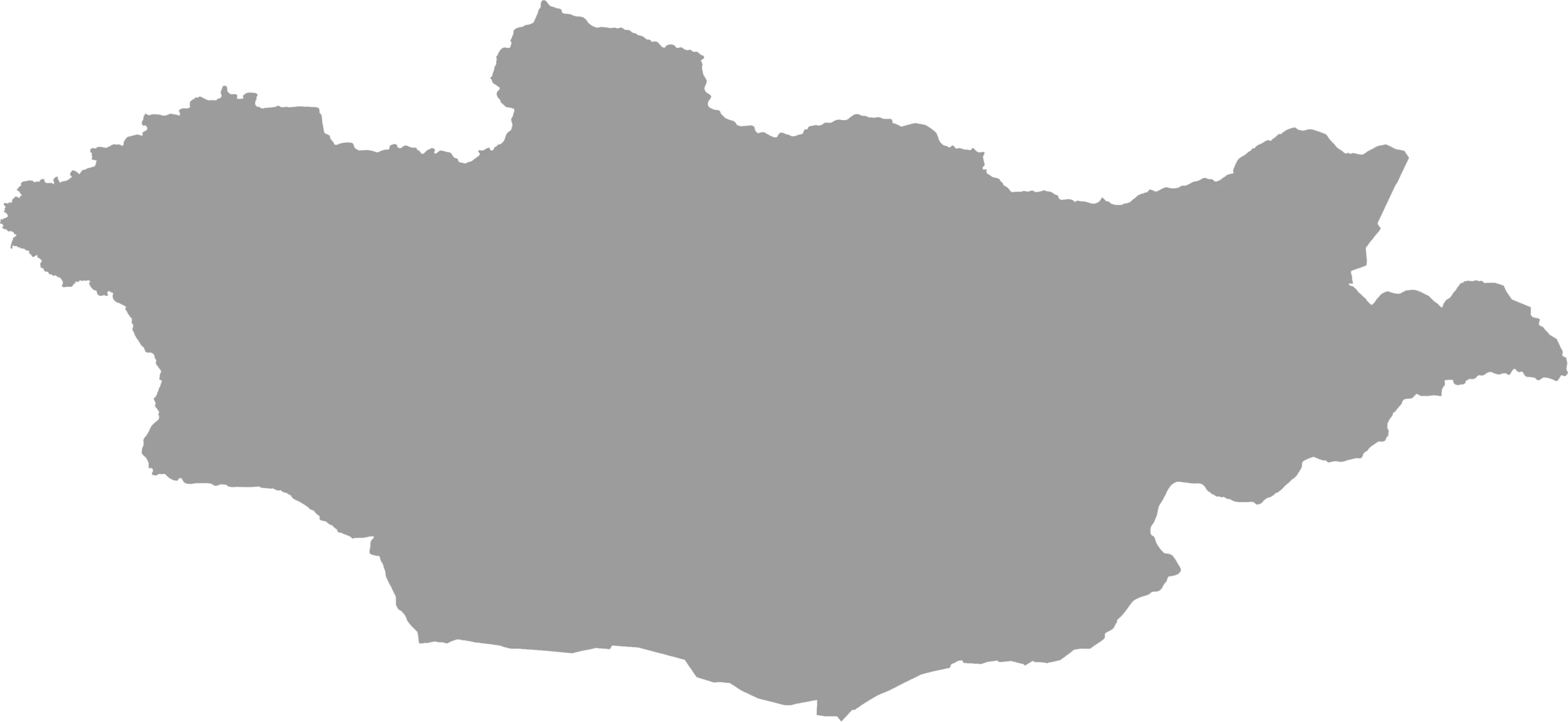
Our base will be in Sukhbaatar Province, approximately 570 km east of Ulaanbaatar, in the heart of Mongolia’s vast eastern steppes. This remote and wildlife-rich region provides exceptional opportunities to observe and photograph the elusive Pallas’s cat in its natural habitat.
The average elevation at Manul Camp ranges between 900 and 1,100 meters (2,950–3,600 feet) above sea level, offering comfortable conditions for wildlife photography while immersing participants in one of Mongolia’s most spectacular steppe ecosystems.

As photographers, we know how difficult it is to decide how much equipment to take on trips, as we always want to take all of our equipment with us so that we can take advantage of our experiences. Here is a list of equipment we recommend bringing:

Clothing Recommendations
I recommend wearing dark or neutral-colored clothing (black, dark green, brown, dark gray, etc.) to help you blend into the surroundings.
Please avoid bright or highly contrasting colors.
If you bring a rain jacket, windbreaker, or waterproof shell, try to choose one made from quiet fabric that does not produce excessive noise when moving, as silence is very important while photographing wildlife.
Weather
We will be traveling during the summer, so conditions are generally dry and pleasant.
Early mornings and evenings can be quite chilly, with temperatures around 8°C (46°F).
During the day, especially under the sun, temperatures can rise to approximately 24°C (75°F).
I recommend bringing a warm jacket or fleece, as it can become windy and feel much colder, particularly during our early morning and evening sessions in the field.
Dressing in layers is the best option, allowing you to stay comfortable as temperatures change throughout the day.
tour leader
At Photo Wildlife Tours, we ensure that we work with the best local guides—experts in species identification, photography, and customer service. Our guides are carefully selected for their extensive knowledge and experience, guaranteeing a unique, educational, and memorable experience.
We also promote an ethic of respect and kindness toward animals, ensuring that all our tours are conducted responsibly and with environmental awareness.
With us, you can trust that you will be accompanied by professionals committed to quality, conservation, and the full enjoyment of nature.